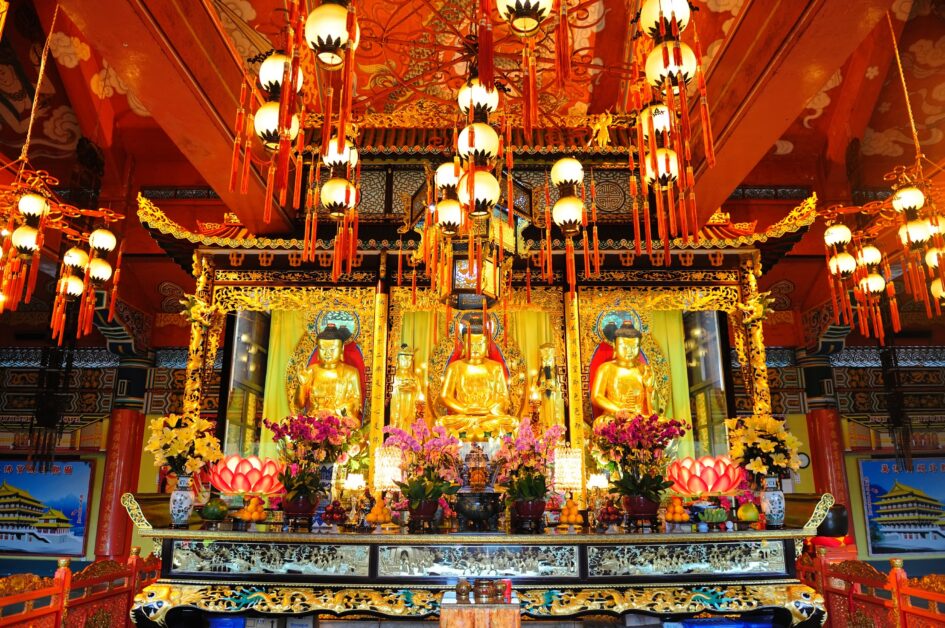
Buddhist Funeral Rites in Singapore
Buddhist funeral rites in Singapore are deeply rooted in centuries of spiritual tradition, cultural practices, and symbolic rituals that reflect the Buddhist understanding of life, death, impermanence, and rebirth. With a large Buddhist population in Singapore, these rites remain one of the most commonly observed funeral traditions in the country.
For families facing the passing of a loved one, navigating the full process of a Buddhist funeral can feel overwhelming. From chanting rituals and body preparation to wake arrangements, cremation customs, and post-funeral prayers, every step holds spiritual significance and cultural meaning.
This comprehensive guide explains Buddhist funeral rites in Singapore, so families can understand what to expect, why each ritual matters, and how the entire process unfolds with dignity, compassion, and respect.
Understanding the Meaning Behind Buddhist Funeral Rites
Before exploring the steps, it is important to understand the spiritual foundation of Buddhist funeral practices.
In Buddhism, death is not seen as an end but as a transition within the cycle of samsara, the continuous cycle of birth, suffering, death, and rebirth. A Buddhist funeral focuses on:
- Guiding the deceased toward a peaceful rebirth
- Accumulating merit for the departed soul
- Helping the living accept impermanence
- Cultivating compassion and wisdom
Rather than mourning solely with grief, Buddhist funerals emphasise calmness, prayers, reflection, and positive intention to assist the deceased in their journey beyond this life.
Step 1: What to Do Immediately After Death in a Buddhist Family
When death occurs, whether at home, in a hospital, or in a nursing facility, the first few hours are spiritually significant in Buddhism.
Allowing the Body to Rest Undisturbed
Many Buddhists believe that consciousness may linger for several hours after breathing stops. Because of this belief:
- The body should not be moved immediately
- Loud crying and physical disturbance should be avoided
- Family members remain calm and quiet
- Prayers or silent chanting may be softly conducted
This allows the spirit to transition peacefully without confusion or attachment.
Contacting the Funeral Director
Once the family is ready, a licensed Buddhist funeral service provider in Singapore is contacted to:
- Arrange body transfer
- Prepare legal documentation
- Advice on wake planning
- Coordinate with temples if required
Because Singapore has strict regulations on death registration, transportation, and cremation, early engagement with a professional funeral provider ensures compliance with national requirements.
Step 2: Washing, Dressing, and Preparing the Body
Once the funeral team arrives and the family gives consent, the body undergoes ceremonial preparation.
Symbolic Cleansing of the Body
The deceased is gently cleansed in a ritual that symbolises:
- Purification of past suffering
- Release of earthly attachments
- Preparation for rebirth
In many Singapore Buddhist funerals, monks may perform short blessing chants while the body is prepared.
Dressing the Deceased
The deceased is usually dressed in:
- Clean and modest clothing
- Buddhist prayer robes in some traditions
- White or light-coloured garments for symbolic purity
Jade, gold, and valuables are usually avoided, as Buddhist teachings emphasise detachment from material possessions.
Step 3: Setting Up the Buddhist Wake
The wake is the central gathering point where family, friends, and relatives pay their respects. In Singapore, Buddhist wakes may be held at:
- HDB void decks
- Private landed properties
- Funeral parlours
- Temple halls
The Altar Setup
A traditional Buddhist funeral altar includes:
- A framed photograph of the deceased
- Incense holder and joss sticks
- Candles symbolising wisdom and impermanence
- Fresh flowers representing purity and impermanence
- Statues or images of the Buddha
- Offerings such as fruits and vegetarian food
The altar serves as a focal point for prayers, chanting, and remembrance.
Step 4: Chanting Rites and Prayer Ceremonies
Chanting is the spiritual core of a Buddhist funeral.
Purpose of Chanting
Chanting helps to:
- Transfer merit to the deceased
- Ease the soul’s transition toward rebirth
- Reduce suffering and negative karma
- Guide consciousness toward enlightenment
Who Conducts the Chanting
In Singapore, chanting is typically conducted by:
- Buddhist monks from temples
- Lay Buddhist prayer leaders
- Religious service groups
Chanting sessions may take place daily throughout the wake and again before cremation.
Step 5: Offerings and Funeral Etiquette
Guests attending a Buddhist wake observe respectful customs.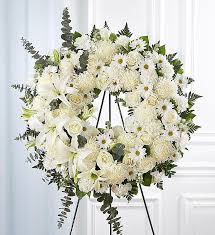
Buddhist Funeral Rites In Singapore – A White Funeral Wreath
What Guests Typically Bring
- Condolence money in white envelopes
- Wreaths with white or yellow flowers
- Incense as a sign of respect
- Avoid red or bright celebratory colours
Appropriate Conduct
- Dress in subdued colours such as white, grey, navy, or black
- Bow before the altar
- Offer incense quietly
- Avoid excessive laughter, noise, or photography
- Remain solemn and respectful
These behaviours uphold the dignity of the funeral proceedings.
Step 6: Duration of the Buddhist Wake in Singapore
The length of a Buddhist wake in Singapore commonly lasts:
- 1 day for simplified ceremonies
- 3 days for traditional rites
- Up to 5 days for extended rituals, depending on family beliefs and budget
Cultural preferences, astrology considerations, and temple advice may influence the wake duration.
Step 7: The Final Farewell Ceremony Before Cremation
On the final day, a sending-off ceremony is held.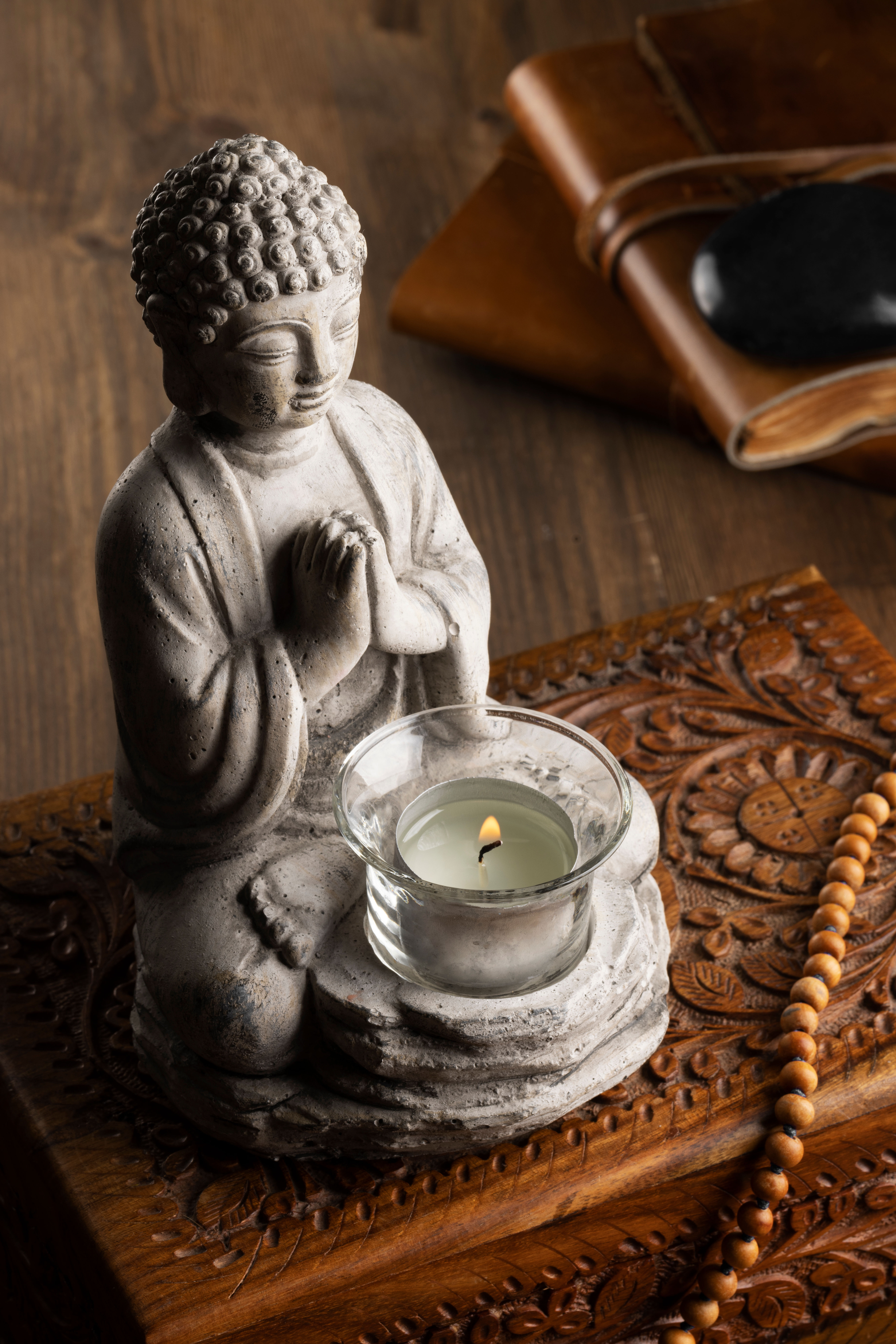
Buddhist Funeral Rites In Singapore – A Buddhist Funeral Prayer
Last Prayers and Blessings
Monks conduct final chanting sessions to:
- Guide the deceased’s consciousness into its next rebirth
- Accumulate the last merit on behalf of the deceased
- Offer spiritual closure for the family
Procession to the Hearse
Family members follow the coffin in an orderly procession. In Singapore, this part is simplified due to urban regulations, but symbolic gestures such as bowing in farewell remain meaningful.
Step 8: Cremation Rituals at Mandai or Other Crematoria
Most Buddhist funerals in Singapore involve cremation due to land scarcity.
At the Crematorium
Before cremation begins:
- Monks perform additional prayers
- Family members offer incense one final time
- Last respects are paid in silence
The cremation represents:
- The impermanence of physical form
- The release of the soul from its earthly body
Step 9: Bone Collection and Ash Placement
After cremation, families may:
- Collect ashes for storage in a temple columbarium
- Store ashes in a niche at Mandai Columbarium
- Scatter ashes at sea according to regulations
Buddhist Ash Handling Customs
- Ashes are handled respectfully
- Chanting may accompany niche placement
- Families offer incense during installation
Step 10: Post-Funeral Mourning and Prayer Periods
Buddhist funerals do not end with cremation. Post-funeral prayers are essential.
Key Prayer Milestones
- 7th day prayer
- 49th day prayer
- 100th day prayer
- Annual remembrance prayers
These dates align with Buddhist teachings that the soul transitions through different spiritual stages leading toward rebirth.
Families continue to generate merit through vegetarian offerings, charity, and prayer dedication.
Step 11: Mourning Customs and Behaviour After the Funeral
Families typically observe a mourning period of:
- 49 days, depending on tradition
- Avoid celebrations such as weddings or housewarming parties
- Wear simpler clothing during the mourning period
These customs symbolise continued respect for the deceased and remembrance of impermanence.
Differences Between Mahayana, Theravada, and Taoist-Influenced Buddhist Funerals
Singapore’s Buddhist population includes multiple traditions.
Mahayana Buddhist Funerals
- Strong focus on chanting
- Bodhisattva prayers
- An altar with Amitabha Buddha is commonly present
Theravada Buddhist Funerals
- Simpler ceremonies
- Emphasis on meditation
- Pali scriptures used for chanting
Taoist-Influenced Buddhist Funerals
- More ritualistic with symbolic offerings
- Paper items offered
- Strong cultural fusion elements
Funeral directors in Singapore usually customise rites according to the family’s Buddhist tradition.
Buddhist Funeral Costs in Singapore
While costs vary, Buddhist funerals in Singapore typically range from:
- SGD 4,000 to SGD 7,000 for basic packages
- SGD 8,000 to SGD 15,000 for full traditional packages
Cost factors include:
- Number of chanting sessions
- Length of wake
- Coffin type
- Venue rental
- Cremation fees
- Transport and logistics
Transparent funeral packages help families plan within their means while preserving proper rites.
What Should Not Be Done at a Buddhist Funeral
Certain actions are discouraged:
- Excessive crying near the body immediately after death
- Touching the body unnecessarily
- Wearing bright or festive colours
- Displaying loud public grief
- Placing inappropriate offerings such as alcohol or meat at the altar
These actions are believed to disturb the deceased’s peaceful transition.
Buddhist Funeral Rites for Sudden or Hospital Deaths in Singapore
Hospital deaths are common in Singapore. In such cases:
- The body is released to a funeral provider after documentation
- Blessings may be conducted before transport
- Wake setup proceeds normally thereafter
- Cremation scheduling is arranged promptly through NEA-regulated crematoria
Emergency funeral services ensure rites remain intact despite sudden circumstances.
Green and Eco-Friendly Buddhist Funerals in Singapore
Eco-friendly Buddhist funerals are gaining interest in Singapore.
These may include:
- Simple biodegradable coffins
- Minimal joss paper usage
- Reduced electrical lighting at wakes
- Ash scattering at licensed sea zones
This aligns with Buddhist teachings on non-attachment and environmental mindfulness.
Common Misconceptions About Buddhist Funerals
Many people mistakenly believe that Buddhist funerals are sombre and rigid. In truth:
- They promote calm acceptance rather than fear
- They emphasise compassion rather than superstition
- They focus on spiritual clarity rather than dramatic rituals
Understanding the meaning behind each rite allows families to participate with deeper peace and appreciation.
Choosing a Buddhist Funeral Service Provider in Singapore
When selecting a provider, families should consider:
- Experience with Buddhist rites
- Transparent pricing with itemised packages
- Licensed registration with NEA
- Monk and temple coordination support
- 24-hour emergency assistance
- Multilingual family support
A knowledgeable funeral director brings clarity during a time of emotional vulnerability.
Summary of the Step-by-Step Buddhist Funeral Process in Singapore
For clarity, here is the full process in sequence:
- Passing and quiet rest of the body
- Funeral director engagement
- Body cleansing and dressing
- Wake setup and altar preparation
- Chanting ceremonies throughout the wake
- Final farewell rites
- Cremation at a licensed crematorium
- Ash collection and placement
- Post-funeral prayers
- Mourning period observance
Each step reflects the Buddhist teachings of impermanence, compassion, and mindful transition.
Final Thoughts: Honouring Life Through Buddhist Funeral Rites
Buddhist funeral rites in Singapore are more than ceremonial traditions. They are spiritual pathways that guide the departed toward peace while offering the living comfort, reflection, and closure.
Every chant, offering, bow, and prayer carries symbolic meaning. By understanding the process step by step, families can walk this difficult journey with dignity, clarity, and spiritual resilience.
Whether the funeral is simple or elaborate, what matters most in Buddhism is the sincerity of intention, the flow of compassion, and the cultivation of peace for both the living and the departed.
Frequently Asked Questions About Buddhist Funeral Rites In Singapore
A Buddhist funeral in Singapore usually involves allowing the body to rest after passing, engaging a funeral director, cleansing and dressing the body, setting up the wake and altar, chanting ceremonies during the wake, a final sending-off ritual, cremation, collection of ashes, and post-funeral prayers.
Most Buddhist funerals in Singapore last 1 to 3 days, though some families hold wakes for up to 5 days depending on beliefs, venue availability, and budget.
Cremation is not compulsory but is the most common choice due to land scarcity and its alignment with Buddhist teachings on impermanence.
Monks often chant sutras such as the Amitabha Sutra, Heart Sutra, and various rebirth mantras to transfer merit and guide the deceased toward a peaceful rebirth.
Guests should wear modest, non-flashy clothing in colours such as white, black, grey, or dark blue, while bright festive colours like red or pink should be avoided.
Guests usually bring condolence money in a white envelope, simple flower wreaths in white or yellow, and may offer incense, avoiding celebratory gifts.
Yes, non-Buddhists may attend and are not required to chant but should behave respectfully and follow the family’s guidance during rituals.
Some Buddhists believe the consciousness may linger near the body for hours, and excessive crying may cause attachment that disrupts a peaceful transition.
Families hold prayers on specific days, such as the 7th and 49th day, dedicating merit through chanting, vegetarian offerings, and charitable acts to support the deceased.
Ashes may be enshrined in a columbarium, kept at home, or scattered at sea under NEA rules, often accompanied by chanting and incense offerings.
Buddhist funeral packages generally range from SGD 4,000 to SGD 7,000 for simple setups and SGD 8,000 to SGD 15,000 or more for full traditional arrangements.
Vegetarian offerings are strongly encouraged because Buddhism promotes non-violence, and meat dishes are usually avoided on the altar.
Yes, many wakes are held at HDB void decks with town council permits, although they may also take place in funeral parlours, homes, or temples.
Lighting incense symbolises respect, awareness of life’s impermanence, and a spiritual connection between the living and the deceased.
Yes, eco-friendly options include biodegradable coffins, reduced joss paper burning, lower energy usage, and sea ash scattering at approved zones.
Families should avoid meat or alcohol on the altar, bright festive clothing, excessive photo-taking, and loud quarrels to maintain a respectful environment.
Leave a Reply