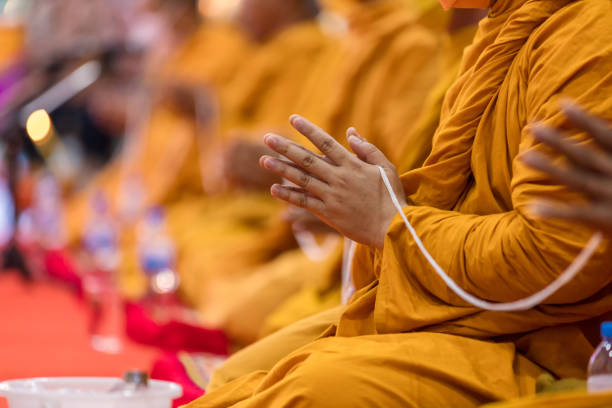
Buddhist Chanting at Funerals: Meaning, Types & Purpose
Buddhist chanting is one of the most recognisable elements of a Buddhist funeral. Even for people who are not Buddhist, the sound of rhythmic recitation, the gentle ringing of a bell, and the steady hum of voices create a powerful atmosphere of peace and solemnity.
But what does Buddhist chanting at funerals really mean? Is it just a cultural ritual, or does it have deep spiritual significance? Why are there different types of chants, and what is their purpose?
This guide explains the meaning, types, and purpose of Buddhist chanting at funerals in a clear and detailed way. It is written to support families, funeral service providers, and anyone curious about Buddhist funeral practices.
What Is Buddhist Chanting at Funerals?
In simple terms, Buddhist chanting at funerals is the recitation of Buddhist texts, sutras, mantras, and sacred names in a rhythmic, repetitive manner. It is usually led by monks or experienced lay practitioners, sometimes accompanied by:
- Wooden fish (mokugyo) or drum beats
- Small hand bells
- Cymbals (in some traditions)
At a funeral, chanting is not performed for performance or entertainment. It is a spiritual practice aimed at:
- Guiding the consciousness of the deceased
- Bringing comfort and clarity to the grieving family
- Generating merit (good karma) dedicated to the departed
- Creating a calm, sacred atmosphere
In many Buddhist cultures across Asia, funeral chanting begins from the first night of the wake and continues until the final send-off or cremation.
The Deeper Meaning Behind Buddhist Funeral Chanting
To understand the real meaning of chanting, it helps to remember a few core Buddhist teachings.
1. Impermanence and the Nature of Life
Buddhism teaches that all conditioned things are impermanent – including life itself. At a funeral, chanting:
- Reminds the living that birth, ageing, sickness, and death are natural
- Encourages acceptance instead of denial
- Helps reduce fear and panic by grounding everyone in a spiritual framework
Many funeral chants contain lines about impermanence, compassion, and wisdom.
2. Guidance for the Departed Consciousness
In many Buddhist traditions, it is believed that:
- The consciousness of the deceased may remain in a transitional state for a period
- Thoughts, emotions, and intentions around the person can affect this state
- Chanting helps guide the consciousness toward a peaceful and positive rebirth
The sound of Buddhist chanting is seen as:
- A reminder of the Buddha’s teachings
- A “spiritual support” to help the deceased let go of attachment and fear
- A bridge between this life and the next
3. Generating Merit and Transferring It to the Deceased
In Buddhism, merit (punya) is the positive spiritual energy generated through wholesome actions like:
- Chanting
- Making offerings
- Practising generosity or compassion
During a funeral, the chanting and offerings made by the family and monks are dedicated to the deceased. This is often expressed verbally at the end of the chanting session:
May the merits generated from this chanting be dedicated to [Name of Deceased] and all sentient beings, so that they may be free from suffering and attain peace.
This act of merit dedication is one of the most important reasons for Buddhist funeral chanting.
4. Calming the Minds of the Living
Chanting is not only for the dead – it also deeply benefits the living:
- The steady rhythm brings emotional stability
- Repetitive recitation helps grieving family members focus their minds
- The teachings in the chants remind them of compassion, acceptance, and wisdom
In times of shock, grief, and confusion, chanting becomes a spiritual anchor.
Types of Buddhist Chanting at Funerals
There is no single, universal style of Buddhist chanting. Different Buddhist traditions have their own liturgies, rhythms, and preferred texts. However, most funeral chanting can be grouped into a few broad types.
1. Sutra Chanting (Scripture Chanting)
Sutras are the recorded teachings of the Buddha or important Mahayana texts. Commonly chanted sutras at funerals include:
- Amitabha Sutra – often used in Pure Land / Mahayana traditions
- Heart Sutra (Prajnaparamita Hridaya) – teaching on emptiness and wisdom
- Kṣitigarbha Bodhisattva Sutra (in some Chinese traditions) – associated with helping beings in difficult realms
Purpose of Sutra Chanting at Funerals:
- Bring the Buddha’s wisdom into the space
- Serves as a reminder of the Dharma (teachings)
- Generates merit through recitation and listening
- Guides the deceased toward more enlightened states of mind
Sutra chanting is often melodic and flowing, recited in Chinese, Japanese, Korean, Tibetan, Pali, or other languages, depending on the tradition.
2. Mantra Chanting
A mantra is a sacred phrase or sound that carries spiritual significance. At funerals, mantras are usually short and repeated many times.
Popular mantras used at Buddhist funerals include:
- “Namo Amituofo” (Chinese) / “Namu Amida Butsu” (Japanese) – Homage to Amitabha Buddha
- “Om Mani Padme Hum” (Tibetan) – associated with Avalokiteshvara, the Bodhisattva of Compassion
- Various rebirth mantras and dharanis in East Asian traditions
Purpose of Mantra Chanting:
- Creates a strong, focused field of spiritual energy
- Helps both the deceased and the living connect with compassion and wisdom
- It is easy for laypeople to join in, even if they do not know the full sutras
- Supports continuous practice across the wake period
Mantra chanting is often rhythmic, repetitive, and meditative, which makes it ideal for long sessions during a waking state.
3. Chanting the Name of the Buddha (Nianfo / Nembutsu)
In Pure Land traditions, chanting the name of Amitabha Buddha is central to funeral rites.
Common forms include:
- Chinese: “南无阿弥陀佛” (Namo Amituofo)
- Japanese: “南無阿弥陀仏” (Namu Amida Butsu)
Meaning and Purpose:
- Expresses faith and reliance on Amitabha Buddha
- Invites the compassionate presence of the Buddha to guide the deceased
- Helps the consciousness of the departed be reborn in Amitabha’s Pure Land
- Provides a simple, powerful practice for everyone present
This type of chanting is often used:
- When the person is near death (bedside chanting)
- During the wake, especially in the evenings
- Just before cremation or burial
4. Pali Chanting in Theravada Funerals
In Theravada Buddhist traditions (common in Thailand, Sri Lanka, Myanmar, etc.), funeral chanting is often done in Pali.
Common texts include:
- Metta Sutta – discourse on loving-kindness
- Anicca verses – verses on impermanence
- Protective chants (Paritta) for peace and well-being
Purpose of Pali Chanting:
- Reminds the living of impermanence and the need for wisdom
- Transfers merit to the deceased
- Offers spiritual protection and blessings
Theravada chanting tends to be steady, clear, and recitative, with less melodic variation than some Mahayana forms.
5. Tibetan Buddhist Chanting
In Tibetan Buddhism, funeral chanting can be intricate and highly ritualised. It may involve:
- Chanting from the Bardo Thödol (sometimes called “Tibetan Book of the Dead”)
- Powerful mantras like “Om Mani Padme Hum”
- Ritual instruments such as cymbals, drums, trumpets, and bells
Purpose:
- To guide the consciousness through the intermediate state (bardo)
- To invoke Buddhas and Bodhisattvas for protection and guidance
- To help the deceased recognise luminous awareness and avoid fear
Who Leads Buddhist Funeral Chanting?
Buddhist chanting at funerals is usually led by:
- Monks or nuns from a temple
- Lay Dharma teachers or experienced practitioners
- Funeral chanting teams affiliated with temples or Buddhist societies
Their responsibilities include:
- Choosing appropriate sutras and mantras
- Leading the rhythm and pace of chanting
- Explaining the meaning of the chants to the family (in some cases)
- Performing dedication of merit at the end of each session
For families, it is important to engage a funeral director or temple that understands their specific Buddhist tradition, so that the chants and rituals match their faith.
When Does Chanting Happen During a Buddhist Funeral?
Chanting can be arranged at multiple key moments:
1. At the Moment of Passing (If Possible)
If the family has time and access to Buddhist practitioners, chanting may begin:
- Beside the deathbed
- As the person is in their final hours
- Immediately after passing
The purpose is to:
- Keep the environment calm and focused
- Help the dying person let go peacefully
- Surround them with the sound of Dharma
2. During the Wake
Most Buddhist funerals include daily chanting sessions at the wake venue. These may be:
- Once a day (simple arrangements)
- Two to three times daily (more traditional setups)
Typical schedule:
- Evening chanting – often the main session
- Additional daytime chanting – for extra merit and guidance
3. Before the Final Send-Off
On the last day of the wake, a final chanting session is held:
- This is usually the longest and most solemn
- Family members may be invited to kneel and participate
- The chanting is dedicated to guiding the deceased into a good rebirth
This is often followed by:
- Closing of the coffin
- Procession to the hearse
- Departure for cremation or burial
4. At the Crematorium or Burial Site
Some families request:
- Short chanting sessions at the crematorium hall
- Brief prayers before the fire is activated
- Dedication of merit at the end of the ceremony
Even a short chant at this moment can be very meaningful and healing.
How Chanting Helps the Grieving Family
Beyond religious belief, chanting plays a practical emotional role in the grieving process.
1. Provides Structure and Focus
When emotions are overwhelming, people often feel lost and helpless. Chanting:
- Gives them something concrete to do
- Provides a focal point for their attention
- Helps them feel they are actively supporting their loved one
This can reduce feelings of helplessness and regret.
2. Supports Emotional Release
During chanting:
- Some may quietly cry or reflect
- Others may feel waves of grief rise and settle
The repetitive sound creates a safe space for emotional processing.
3. Strengthens Family Bonds
Participating together in chanting:
- Unites family members in a shared spiritual act
- Reinforces values like gratitude, filial piety, and compassion
- Creates memories of how they honoured their loved one with dignity
Common Misconceptions About Buddhist Funeral Chanting
Misconception 1: Chanting is just “for show” or superstition
Reality: Chanting is a deliberate spiritual practice based on centuries of Buddhist insight into the mind, consciousness, and karma. It is not a performance; it is a form of active spiritual support.
Misconception 2: Only monks benefit from chanting
Reality: Everyone benefits. The deceased, the family, and even guests who simply listen and open their hearts can experience greater peace and clarity.
Misconception 3: You must understand every word for chanting to “work”
Reality: Understanding helps, but it is not strictly required. From a Buddhist perspective, sincerity, intention, and the power of the Dharma carried in the chant matter more than intellectual understanding alone.
Can Non-Buddhists Join the Chanting?
Yes. In most Buddhist funerals:
- Non-Buddhist guests are welcome to sit quietly, listen, and join their palms
- They may follow simple responses (like “Amituofo”) if they feel comfortable
- There is no obligation to chant or bow if it conflicts with their own beliefs
The important thing is a respectful presence.
How Families Can Prepare for Buddhist Chanting at Funerals
If you are planning a Buddhist funeral and want to include chanting:
- Confirm Your Tradition – Mahayana, Theravada, Tibetan, Pure Land, etc.
- Consult a Funeral Director or Temple – They can help organise monks or chanting groups.
- Decide the Frequency of Chanting – Simple: 1 session a day – Traditional: multiple sessions per day
- Prepare a Quiet Environment – Reduce loud talking, noise, and distractions during chanting.
- Encourage Family Participation – Even the simple joining of palms and silent focus is beneficial.
Conclusion: The Heart of Buddhist Chanting at Funerals
Buddhist chanting at funerals is far more than a set of ritual sounds. It is:
- A gift of loving-kindness to the deceased
- A spiritual practice that generates merit and guidance
- A source of comfort and clarity for the living
- A way of honouring the Buddha’s teachings in the face of loss
Through chanting, grief is given a sacred form. The voice becomes a bridge between worlds. And in the rhythm of the sutras and mantras, both the departed and the bereaved are gently held in compassion.
Frequently Asked Questions About Buddhist Chanting at Funerals
Buddhist chanting at funerals is the rhythmic recitation of sutras, mantras and sacred names led by monks or practitioners. It creates a calm, sacred atmosphere, guides the consciousness of the deceased, generates merit and offers comfort and focus to grieving family members.
Chanting is important in a Buddhist funeral because it helps guide the deceased toward a peaceful rebirth, generates merit dedicated to them, reminds everyone of impermanence, and calms the minds of the living during grief and shock.
The main types include sutra chanting, mantra chanting, chanting the name of the Buddha such as Namo Amituofo or Namu Amida Butsu, Pali chanting in Theravada traditions, and, in Tibetan Buddhism, chanting texts and mantras related to the bardo and compassion.
Chanting is usually led by monks, nuns, lay Dharma teachers or experienced chanting groups affiliated with temples or Buddhist societies. They select suitable texts, set the rhythm and pace, and dedicate the merits of the chanting to the deceased.
Chanting can take place at the bedside as death approaches, during daily sessions at the wake, in a final ceremony before the coffin is sealed for cremation or burial, and sometimes in short sessions at the crematorium or burial site.
Understanding the words can deepen appreciation, but it is not required for chanting to be spiritually effective. Sincerity of intention, the power of the Dharma, and a focused, compassionate attitude matter more than intellectual understanding.
Yes, non-Buddhists are generally welcome to sit quietly, listen, and join their palms during chanting if comfortable. They are not obliged to chant or bow, but respectful presence and intention are appreciated.
Chanting gives the grieving family something meaningful to do, provides structure during emotionally chaotic times, creates a calm environment, and helps them express gratitude and love for the deceased.
Chanting is not legally compulsory, but it is central and highly recommended. Families can choose the number and length of sessions according to tradition, beliefs, and budget.
Common texts include the Amitabha Sutra, Heart Sutra, Ksitigarbha Sutra, Pali protective chants such as the Metta Sutta, and mantras like Namo Amituofo, Namu Amida Butsu, and Om Mani Padme Hum.
No. Chanting benefits the living as well by reducing anxiety, bringing emotional stability, reinforcing teachings on impermanence and compassion, and helping family members process grief in a sacred, structured way.
Leave a Reply