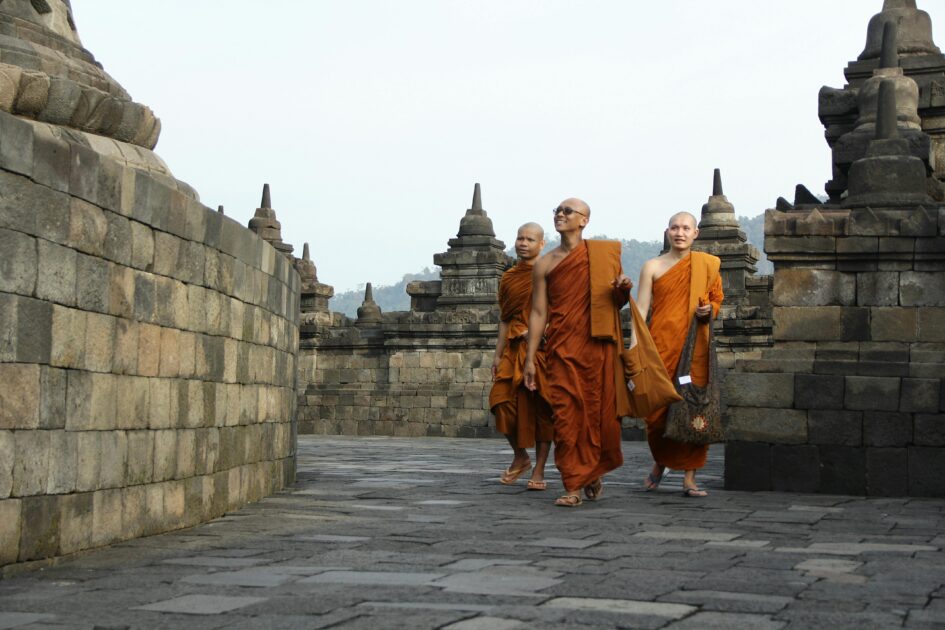
Role of Monks in a Buddhist Funeral Ceremony
In a Buddhist funeral ceremony, the presence of monks is not just ceremonial – it is central to the spiritual heart of the entire process. While family members, friends, and funeral directors handle the practical and logistical aspects, Buddhist monks guide the invisible, spiritual dimension: comforting the grieving, transferring merit, and leading rituals that support the deceased on their journey after death.
For many families, especially those in Buddhist-majority societies such as Singapore, Thailand, Sri Lanka, and parts of East Asia, engaging monks is a natural and expected part of a Buddhist funeral. But what exactly do monks do at a Buddhist funeral? Why are they so important? How do they help both the deceased and the living?
This guide explains the role of monks in a Buddhist funeral ceremony from start to finish – including their spiritual functions, ritual responsibilities, chanting practices, interaction with the family, and the deeper meaning behind their presence.
Why Are Monks Important in a Buddhist Funeral?
To understand the role of monks in a Buddhist funeral ceremony, it’s useful to first recall who monks are in the Buddhist tradition.
Buddhist monks (and nuns):
- Are members of the Sangha, the monastic community
- Devote their lives to studying, practising, and transmitting the Buddha’s teachings (Dharma)
- Serve as spiritual guides, teachers, and examples for laypeople
In the context of death, monks play a crucial spiritual role because:
- They are seen as closer to the Dharma, having devoted their lives to practice.
- Their presence brings blessings, calm, and spiritual authority to the ceremony.
- Their chanting, teachings, and rituals help generate merit, which is then dedicated to the deceased.
- They guide the family through a difficult, confusing time by explaining the meaning of death from a Buddhist perspective.
In short, monks help ensure that a Buddhist funeral is not just a cultural event, but a genuine spiritual ceremony grounded in the Buddha’s teachings.
The Monks’ Role Before the Funeral Ceremony
Monks may become involved even before the official funeral ceremony begins, especially in cases where the family is devout or has close ties to a temple.
1. Chanting at the Deathbed (If Possible)
If the death is expected or if the family can contact monks in time, they may:
- Visit the dying person’s bedside
- Lead chanting of Buddha’s name, sutras or mantras (e.g. “Namo Amituofo”, “Om Mani Padme Hum”)
- Encourage the dying person to focus on calm, letting go, and wholesome thoughts
Purpose:
- To help the person die with a peaceful, focused mind
- To remind them of the Dharma in their final moments
- To create a serene atmosphere rather than panic or despair
A calm, mindful death is considered very important in Buddhism, as the state of mind at death is believed to influence rebirth.
2. Guiding the Family on Funeral Arrangements
While funeral directors handle logistics, monks may advise families on:
- Appropriate duration of the wake
- Types of chanting ceremonies to hold
- How to prepare a Buddhist altar for the deceased
- Practices like vegetarian offerings, avoidance of certain superstitious practices, or excess ritual
This guidance helps ensure that the funeral rites remain aligned with genuine Buddhist principles, and not just cultural habits or commercial upselling.
The Monks’ Role at the Wake: Chanting, Blessings & Presence
The wake is usually the central period of a Buddhist funeral, lasting from one to several days, depending on tradition and family preference. During this time, monks typically carry out several important roles.
1. Leading Chanting Ceremonies
Monks are the primary leaders of funeral chanting rituals, which may take place once or multiple times per day.
They may chant:
- Sutras (scriptures), such as the Amitabha Sutra, Heart Sutra, or other Mahayana or Theravada texts
- Mantras such as “Namo Amituofo”, “Namu Amida Butsu” or “Om Mani Padme Hum”
- Verses on impermanence, compassion, and wisdom
Why this matters:
- Chanting creates a sacred, peaceful atmosphere at the wake.
- The sound of the Dharma is believed to guide the consciousness of the deceased.
- The act of chanting generates merit (positive spiritual energy) that can be dedicated to the deceased and all beings.
- For the family, the rhythm and solemnity of chanting can be deeply comforting.
Monks lead, and family members and guests may:
- Join in where they can
- Sit quietly with palms joined
- Follow along mentally, even if they do not know the words
2. Conducting Dedication of Merit
At the end of each chanting session, monks perform a dedication of merit (回向, “hui xiang” in Chinese; “pattidāna” in Pali traditions).
They dedicate all the wholesome energy generated by:
- Chanting
- Offerings made to the monks or the temple
- Acts of generosity and support shown during the funeral
This merit is directed:
- To the deceased, by name
- To their family
- To all sentient beings
From a Buddhist perspective, this dedication helps the deceased move toward a more favourable rebirth and eases their spiritual journey.
3. Performing Blessings for the Family
Monks do not only support the deceased – they also care for the living.
During the wake, monks may:
- Offer short talks or reflections about impermanence and letting go
- Give blessings to family members
- Sprinkle blessed water (in some traditions) or recite protective chants
These actions help family members:
- Understand death in a less frightening way
- Feel spiritually supported and not abandoned
- Receive emotional and spiritual comfort during grief
Monks thus serve as both ritual leaders and pastoral caregivers.
The Monks’ Role During the Main Funeral Ceremony
On the final day of the wake, the funeral ceremony itself becomes more structured and intense. This is often when the family and visitors gather in larger numbers, and the monks’ role becomes highly visible and central.
1. Final Chanting and Farewell Rites
The ceremony usually includes:
- A final major chanting session, sometimes longer and more elaborate than previous ones
- Specific sutras or mantras are chosen to guide the deceased at this final stage
- Rituals of bowing, incense offerings, and dedication of merit
This is the spiritual “high point” of the funeral, and the monks’ chanting:
- Marks the final send-off from this world
- Encourages the deceased to let go of attachment
- Helps the family release their emotional hold and accept the transition
2. Rituals Around the Coffin
Monks may perform formal rituals near the coffin, such as:
- Walking in a circle around the coffin while chanting
- Touching or blessing the coffin with a ritual object (e.g. Dharma text, incense, or a small Buddha image)
- Inviting the family to kneel and participate in certain parts of the ritual
These actions symbolise:
- Guiding the deceased on their final journey
- Surrounding them with the Dharma and blessings
- Acknowledging that this is the last physical farewell
3. Guidance for the Final Viewing
In some traditions, before the coffin is fully sealed:
- Monks may lead chanting while family members perform a final viewing
- They encourage quiet reflection rather than extreme emotional outbursts
- They may remind everyone of the Buddhist teaching: “All conditioned things are impermanent.”
Monks help keep the atmosphere dignified, calm, and spiritually focused, instead of chaotic or purely emotional.
4. Leading the Procession or Final Prayers Before Cremation or Burial
Although funeral directors manage logistics, monks may:
- Walk in front of the coffin or beside it during the procession from the wake area to the hearse
- Continue chanting or reciting short verses
- Lead a brief prayer at the crematorium or burial site
Even if the ceremony is short at this stage, the monks’ presence and chanting provide a final spiritual escort for the deceased.
The Monks’ Role After the Funeral: Memorial and Post-Funeral Rites
The role of monks does not always end when the coffin is cremated or buried. In many Buddhist traditions, post-funeral rites are extremely important.
1. 7th, 49th and 100th Day Memorials
Many families hold additional chanting and memorial services on significant days, such as:
- The 7th day after death
- The 49th day, often considered the completion of the transitional period toward rebirth
- The 100th day or the first anniversary
Monks:
- Lead chanting sessions at temples or family homes
- Perform dedication of merit on behalf of the deceased
- Remind the family that remembering the deceased with wisdom and compassion is more important than attachment
These ceremonies help the grieving process continue in a structured, spiritual way, rather than leaving the family alone after the funeral ends.
2. Annual Remembrance Ceremonies
Some families sponsor yearly memorial chanting at temples, especially on:
- The death anniversary
- Specific lunar dates are designated for ancestors and departed relatives
Monks again:
- Lead the rituals
- Recite sutras and mantras
- Dedicate merit to ancestors and all beings
This ongoing relationship between family, deceased, and monks keeps the memory of loved ones connected to Dharma and compassion, not just personal grief.
How Monks Support the Ethical and Spiritual Integrity of Buddhist Funerals
Beyond rituals and chanting, monks play a vital role in keeping Buddhist funerals aligned with authentic teachings rather than drifting into superstition or pure commercialism.
They may gently guide families away from:
- Excessive or wasteful displays of wealth
- Unnecessary ritual practices are sold as “essential”
- Overemphasis on fear-based or luck-based beliefs
Instead, they encourage:
- Simplicity
- Sincerity
- Generosity (dana)
- Compassion for all beings
- Wise reflection on life and death
This keeps the Buddhist funeral ceremony faithful to its true purpose: supporting spiritual growth for both the living and the deceased.
Differences in the Role of Monks Across Buddhist Traditions
While core principles are shared, the exact role of monks in a Buddhist funeral ceremony can vary across traditions.
Mahayana (Chinese, Japanese, Korean Traditions)
- Monks often chant Amitabha Sutra, Heart Sutra, Ksitigarbha Sutra
- Recitation of Buddha’s name (e.g. “Namo Amituofo”) is very common
- Ceremonies may be more elaborate, with multiple days of chanting and various ritual segments
Theravada (Thai, Sri Lankan, Burmese Traditions)
- Monks chant mostly in Pali
- Common texts include Metta Sutta, Anicca verses, and other protective chants
- Ceremonies emphasise impermanence, generosity, and merit-making
Tibetan Traditions
- Monks chant from advanced liturgies, including texts related to the bardo (intermediate state)
- The use of instruments (drums, bells, horns) is more prominent
- Rituals focus heavily on guiding consciousness through the post-death stages
Despite these differences, the central role of monks remains consistent: guiding, chanting, blessing, teaching, and dedicating merit.
How Families Can Work with Monks for a Buddhist Funeral
For families planning a Buddhist funeral ceremony, here are some practical tips for working with monks:
- Identify the Tradition
- Clarify whether the family follows Mahayana, Theravada, Tibetan, or another tradition.
- This helps you approach the appropriate temple or Buddhist centre.
- Contact the Temple Early
- Inform them of the passing.
- Ask what types of chanting and funeral rites they can offer.
- Confirm the availability of monks for the wake and funeral ceremony.
- Discuss the Schedule Clearly
- Agree on the number of chanting sessions per day.
- Fix the timing of the main funeral ceremony.
- Coordinate with the funeral director to avoid clashes.
- Prepare the Space Respectfully
- Ensure there is a proper Buddhist altar for the monks to chant in front of.
- Keep the environment relatively quiet and clean during chanting.
- Encourage Family Participation
- Let family members sit in during chanting, rather than staying far away.
- Even if they do not know the words, they can join palms and follow along quietly.
- Ask Questions if Unsure
- Monks are generally willing to explain the meaning of rituals.
- Understanding the ceremony makes it more meaningful and healing.
Conclusion: The True Role of Monks in a Buddhist Funeral Ceremony
The role of monks in a Buddhist funeral ceremony goes far beyond formalities or cultural expectations. Monks bring:
- The voice of the Dharma in a time of loss
- The energy of compassion, wisdom, and calm
- A structured way to generate and dedicate merit to the deceased
- Spiritual guidance and reassurance for the grieving family
Through chanting, blessings, teachings, and presence, monks help transform the funeral from a purely emotional farewell into a sacred journey of letting go, gratitude, and spiritual support.
For families who wish to honour their loved ones in a truly Buddhist way, involving monks in the funeral ceremony ensures that the rites are not just outward traditions, but genuine expressions of faith, compassion, and the path toward liberation.
Frequently Asked Questions About Role of Monks in a Buddhist Funeral Ceremony
Monks play a central spiritual role in a Buddhist funeral ceremony. They lead chanting, conduct merit-making and dedication rituals, offer blessings, guide the consciousness of the deceased through the Dharma, and provide comfort and teachings to the grieving family.
Monks represent the Sangha, the monastic community that preserves and transmits the Buddha’s teachings. Their presence brings spiritual authority and calm, helps generate and dedicate merit to the deceased, and guides both the departed and living toward wisdom and compassion.
Yes. Monks may visit the dying person to lead bedside chanting and encourage a calm state of mind. They may also advise the family on funeral arrangements, chanting schedules, and altar setup to align rites with Buddhist teachings from the beginning.
During the wake, monks lead daily chanting sessions, reciting sutras and mantras to guide the deceased’s consciousness and generate merit. They perform dedication of merit, offer blessings, and help maintain a calm, sacred atmosphere.
Dedication of merit is when monks formally transfer the wholesome energy or merit generated from chanting or good deeds to the deceased and all beings, supporting a better rebirth and extending benefits beyond the immediate family.
On the final day, monks lead the main funeral ceremony, including longer chanting, farewell rites around the coffin, and a final dedication of merit. They guide the family through the last viewing, remind everyone of impermanence, and offer prayers before cremation or burial.
Yes. Monks often lead post-funeral rites such as 7th-day, 49th-day, 100th-day, and anniversary memorial services, chanting sutras, dedicating merit to the deceased, and supporting the family spiritually over time.
Monks maintain authenticity by emphasising simplicity, sincerity, and Dharma-based practices rather than superstition or commercial rituals. They encourage merit-making, mindfulness of impermanence, and compassion for all beings.
The core role is similar across traditions, but details vary. Mahayana monks chant sutras like Amitabha Sutra, Theravada monks chant Pali texts like Metta Sutta, and Tibetan monks chant bardo texts and use ritual instruments. All guide, chant, bless, and dedicate merit.
Families should identify their Buddhist tradition and contact a temple early, discuss chanting schedules, main ceremony, and post-funeral rites. Preparing an altar, keeping a respectful environment, and encouraging family participation help monks lead a meaningful ceremony.
Leave a Reply