What Food Is Served at a Buddhist Funeral?
Food at a Buddhist funeral may appear simple on the surface, but it carries deep spiritual, ethical, and cultural meaning. Unlike celebratory feasts, funeral food in Buddhism is never about indulgence or luxury. Instead, it reflects compassion, restraint, non-harm, and merit-making—all core principles of Buddhist practice.
In Singapore and across many parts of Asia, people often ask:
- What food is served at a Buddhist funeral?
- Is the food always vegetarian?
- What food is offered to the deceased?
- Can guests eat meat?
- What food is served after cremation?
- Are there food taboos?
This comprehensive guide explains exactly what food is served at a Buddhist funeral, including altar offerings, guest meals, vegetarian traditions, regional variations, food etiquette, taboos, and the deeper spiritual meaning behind every practice.
The Spiritual Purpose of Food at a Buddhist Funeral
Before examining specific dishes, it is important to understand why food is present at a Buddhist funeral at all.
In Buddhism, food at a funeral serves three interconnected purposes:
- Compassion for the Living Food nourishes grieving family members and guests who have gathered to support the deceased.
- Symbolic Offering to the Deceased Food placed on the altar symbolises generosity, gratitude, and continual remembrance.
- Merit-Making Through Non-Harm Serving vegetarian food avoids killing and generates wholesome karma that is dedicated to the deceased.
Food is therefore not entertainment—it is a spiritual offering in action.
Is the Food at a Buddhist Funeral Always Vegetarian?
✅ Traditionally, Yes—It Is Strictly Vegetarian
In most Buddhist funerals, especially Chinese Mahayana Buddhist funerals in Singapore, the food served is strictly vegetarian.
This is based on the Buddhist precept of:
Ahimsa – Non-violence and non-killing
Avoiding meat at a funeral reflects:
- Compassion for animals
- Purity of intention
- Respect for life
- The desire to generate positive karma for the deceased
Many families also personally observe a vegetarian diet throughout the entire wake and funeral period, including the 49 days after death.
⚠️ Are There Exceptions?
In rare modern or mixed-faith households:
- Vegetarian food is still served at the wake
- But family members may eat meat outside the funeral venue
- Or special dietary needs may be accommodated privately
However, as a guest, you should always assume the funeral food is vegetarian, and never bring meat into the wake or funeral location.
What Food Is Served to Guests at a Buddhist Funeral?
Guest food is simple, nourishing, and modest. It is meant to sustain people who come to pay respects—not to host a feast.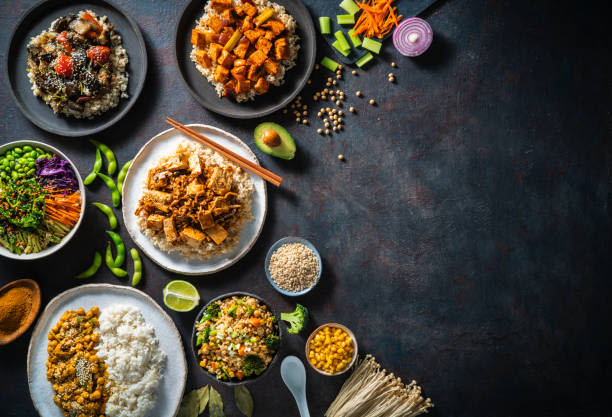
What Food is Served in a Buddhist Funeral
1. Vegetarian Rice Dishes
The most common meals served include:
- White rice with mixed vegetables
- Vegetable fried rice (no egg if strictly vegetarian)
- Plain porridge with vegetables
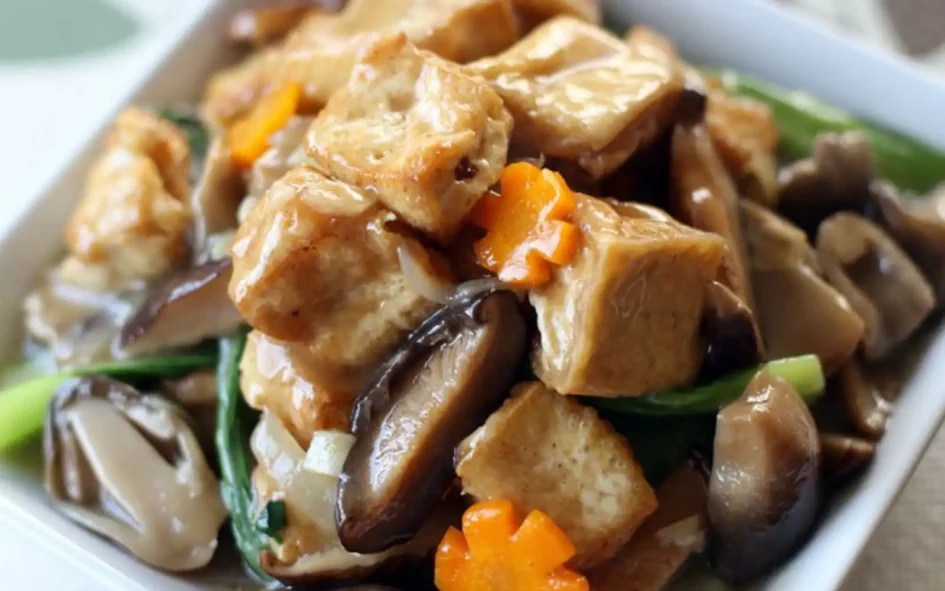
- Steamed rice with tofu and mushroom dishes
These meals are:
- Easy to digest
- Suitable for elderly guests
- Affordable for grieving families
- Consistent with Buddhist values of simplicity
2. Tofu-Based Dishes (Main Protein Source)
Since meat is avoided, tofu becomes the main source of protein:
- Braised tofu
- Tofu with mushroom sauce
- Tofu stir-fried with vegetables
- Tofu curry with coconut milk
Tofu symbolises:
- Simplicity
- Humility
- Softness and kindness
3. Vegetable Dishes
Common vegetables include:
- Cabbage
- Spinach
- Kailan
- Broccoli
- Carrots
- Long beans
- Shiitake mushrooms
- Enoki mushrooms
All dishes are prepared without:
- Animal fat
- Lard
- Meat stock
4. Vegetarian Noodles
You may also find:
- Bee hoon (rice vermicelli)
- Yellow noodles
- Flat rice noodles (kway teow)
These are cooked with:
- Vegetables
- Soy sauce
- Tofu
- Mushrooms
5. Mock Meat (Optional, Not Universal)
Some families serve vegetarian mock meat, made from:
- Soy protein
- Wheat gluten (seitan)
These imitate:
- Vegetarian chicken
- Vegetarian fish
- Vegetarian pork
This is optional and more common among families accustomed to full vegetarian cuisine.
6. Light Snacks and Refreshments
Guests are usually offered:
- Biscuits
- Crackers
- Plain bread
- Bottled water
- Tea
- Coffee
- Non-alcoholic canned drinks
❌ Alcohol is never served at a Buddhist funeral.
What Food Is Placed on the Altar at a Buddhist Funeral?
The altar offerings are not meant for consumption. They symbolise generosity, gratitude, merit, and respect.
Common Altar Food Offerings
- Fresh fruits (apples, oranges, bananas, pears)
- Cooked vegetarian dishes
- Rice
- Tea and water
- Occasionally, small vegetarian pastries
Spiritual Meaning of Altar Food
- Fruits represent abundance and impermanence
- Rice symbolises life and sustenance
- Water represents purity and clarity
- Vegetarian dishes represent compassion and non-harm
These offerings are made:
- To the Buddha
- To the Triple Gem (Buddha, Dharma, Sangha)
- On behalf of the deceased
They are later respectfully cleared, never treated casually.
Can Meat Ever Be Served at a Buddhist Funeral?
❌ Traditionally, Meat Is Strictly Forbidden
Meat is avoided because:
- It involves killing
- It generates negative karma
- It contradicts compassion
- It disrupts the spiritual purity of the funeral environment
Guests should never bring:
- Meat dishes
- Seafood
- Processed meat snacks
- Alcohol
to the wake or funeral venue.
What If Guests Privately Eat Meat Elsewhere?
Guests may eat meat outside the funeral grounds, such as:
- Before arriving
- After leaving
But never within the wake, temple hall, or crematorium.
Why Vegetarian Food Is Spiritually Important at a Buddhist Funeral
Vegetarian food is not chosen for health reasons—it is a moral and karmic choice.
It represents:
- Compassion for all beings
- Respect for life
- Purification of intention
- Creation of wholesome karma
- Merit dedication to the deceased
Many Buddhists believe that:
The actions of living family members during the funeral period directly influence the deceased’s rebirth.
Serving and consuming vegetarian food is one of the simplest, most powerful ways to generate beneficial merit.
What Food Is Served During Different Phases of the Funeral?
1. During the Wake (Daytime)
- Vegetarian lunch boxes
- Rice or noodles with vegetables and tofu
- Tea, coffee, biscuits
Served to:
- Visitors
- Volunteers
- Extended family members
2. During Evening Chanting Sessions
After long periods of chanting:
- Warm vegetarian meals are served
- Large family meals may be catered (still vegetarian)
- All meals remain alcohol-free
3. Overnight Vigil Food
For family members staying overnight:
- Plain porridge
- Instant vegetarian noodles
- Tea and coffee
- Biscuits and crackers
The goal is nourishment—not enjoyment.
4. On the Final Day Before Cremation
Food becomes:
- More minimal
- More restrained
- Often eaten only after key rituals
Some families choose to eat only after:
- Final chanting ceremony
- Farewell rites at the coffin
5. After the Cremation
A simple vegetarian meal may be shared by:
- Family members who escorted the deceased
- Elderly relatives
- Monks who have completed rituals
This meal is still:
- Quiet
- Vegetarian
- Non-celebratory
Is It Polite for Guests to Eat at a Buddhist Funeral?
✅ Yes—If Food Is Offered, It Is Polite to Accept
Food is offered as a form of hospitality and care. However, guests must observe decorum:
Do:
- Eat quietly
- Take only what you need
- Eat away from the coffin and altar
- Express gratitude silently
Do NOT:
- Joke loudly while eating
- Treat the meal as social dining
- Waste food
- Demand special dishes
What If You Are Not Used to Vegetarian Food?
No one is forced to eat.
If you:
- Have allergies
- Have dietary restrictions
- Do not feel comfortable eating
You may simply:
- Drink tea or water
- Politely decline without explanation
There is no religious obligation on guests to eat.
What Food Should Guests NEVER Bring to a Buddhist Funeral?
Never bring:
- Meat dishes
- Seafood
- Alcohol
- Cigarettes as offerings
- Party snacks
- Festive food packaging
If you wish to bring something, suitable alternatives include:
- Fresh fruits
- Condolence money
- White flowers
Regional & Traditional Variations in Funeral Food
Chinese Mahayana Buddhist Funerals (Most Common in Singapore)
- Strict vegetarian
- Tofu and vegetables dominate
- Mock meats are sometimes used
- Fruits are always present on the altar
Theravada Buddhist Funerals
- Vegetarian during ritual periods
- Simple rice, porridge, and vegetables
- Less use of mock meat
Tibetan Buddhist Funerals
- Food plays a smaller ritual role
- Emphasis on chanting and prayers
- Tea and light vegetarian meals for monks and family
What About Halal, Vegan, and Special Dietary Needs?
Most Buddhist funeral food is naturally:
- Halal
- Vegetarian
- Often dairy-free
However:
- Some vegetarian dishes may contain eggs
- Soy, gluten, and nuts may be present
Guests with allergies should take precautions.
Is It Appropriate to Pack Food Home from a Buddhist Funeral?
This is generally discouraged.
Food at a funeral is:
- For immediate nourishment
- Part of the merit-making environment
- Not meant for casual takeaway
Packing food to take home may be viewed as:
- Disrespectful
- Misunderstanding the spiritual purpose
Only take food home if:
✅ The family explicitly insists or offers it
Food-Related Taboos at a Buddhist Funeral
Avoid the following:
- Complaining about food quality
- Asking for special dishes
- Making jokes about vegetarian food
- Comparing with other funerals
- Wasting large portions
- Eating loudly near the altar
- Treating the meal like a buffet
Every dish is tied to respect and compassion, not taste or prestige.
The Deeper Meaning: Food as Karmic Action
In Buddhism, every action creates karma. During a funeral, karma is especially meaningful.
Vegetarian food at a funeral:
- Prevents killing
- Generates merit
- Supports prayers and chanting
- Aids the deceased’s rebirth journey
- Transforms grief into compassionate action
In this way, even a simple bowl of rice becomes a spiritual offering.
Summary: What Food Is Served at a Buddhist Funeral?
✅ Vegetarian rice and noodles ✅ Tofu and vegetable dishes ✅ Plain porridge ✅ Fresh fruits on altar ✅ Tea, coffee, water, biscuits
❌ No meat ❌ No seafood ❌ No alcohol ❌ No celebratory food ❌ No excessive wastage
Final Thoughts: Food as Compassion in Practice
Food at a Buddhist funeral is not about taste, luxury, or convenience. It is about:
- Compassion
- Restraint
- Mindfulness
- Respect for life
- Merit-making for the deceased
Every quiet vegetarian meal served during a Buddhist funeral is a gentle reminder that:
Even in death, kindness continues to nourish both the living and the departed.
Frequently Asked Questions About Food Served at a Buddhist Funeral
Food served at a Buddhist funeral is typically simple and vegetarian. Common items include rice or noodle dishes with vegetables and tofu, light snacks such as biscuits, and non-alcoholic drinks like tea, coffee and water. The purpose is to sustain family members and guests respectfully, not to create a feast.
In most Buddhist funerals, especially within Chinese Mahayana traditions, the food is strictly vegetarian. This reflects the Buddhist principle of non-harm and compassion for all beings and is intended to generate wholesome karma dedicated to the deceased.
Vegetarian food is important at a Buddhist funeral because it avoids killing animals and aligns with the precept of non-violence. Serving and eating vegetarian meals during the funeral period is seen as an act of compassion and a way to create merit that can be transferred to the deceased.
Altar offerings usually include fresh fruits such as apples, oranges and bananas, cooked vegetarian dishes, bowls of rice, and cups of tea or water. These offerings are symbolic acts of generosity and respect made to the Buddha and dedicated to the deceased.
Traditionally, meat and seafood are not served at a Buddhist funeral. They involve killing and are seen as incompatible with the spirit of compassion and non-violence. Guests should also avoid bringing meat dishes or eating meat within the funeral venue.
Common drinks at a Buddhist funeral include plain water, tea, coffee and sometimes canned or boxed soft drinks. Alcohol is not served, as it contradicts the Buddhist precept of avoiding intoxication and is considered inappropriate at a funeral.
Yes, it is polite to eat if food is offered, as it is provided out of hospitality. Guests should do so quietly and respectfully, avoiding loud conversation or waste, and always follow the guidance of the family or funeral staff.
Leave a Reply