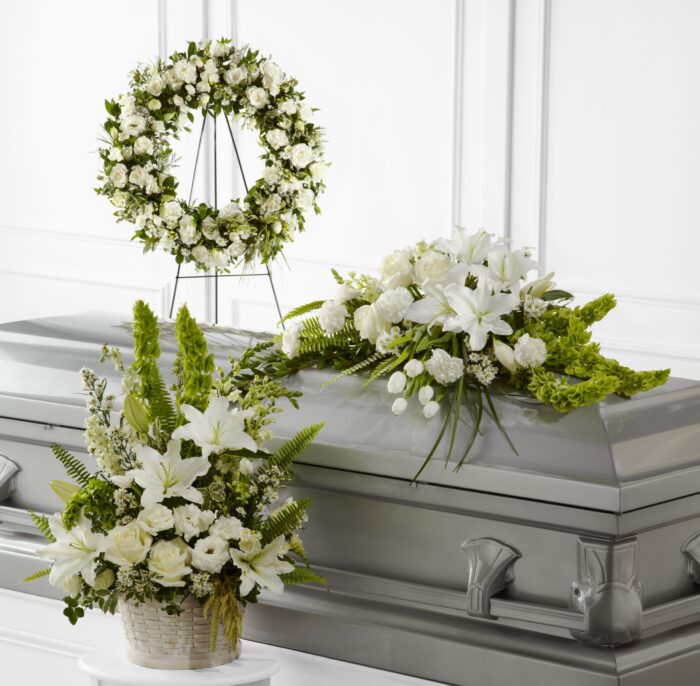
Can You Bring Flowers to a Buddhist Funeral? Proper Etiquette Explained
When attending a Buddhist funeral, especially in multicultural societies like Singapore, many people wonder: Can you bring flowers to a Buddhist funeral? If so, what type of flowers are appropriate, what colours should be avoided, and how should they be presented?
Flowers are deeply symbolic in Buddhism. They represent impermanence, purity, compassion, and the fleeting nature of life. However, while flowers are generally welcomed at Buddhist funerals, there are clear rules of etiquette regarding what is appropriate and what is considered disrespectful.
This comprehensive guide explains whether you can bring flowers to a Buddhist funeral, the correct types of flowers, acceptable colours, how to present them, wreath etiquette, and common mistakes to avoid—so you can express your condolences with cultural sensitivity and genuine respect.
The Symbolism of Flowers in Buddhism
Before discussing etiquette, it is important to understand why flowers are meaningful in Buddhism.
In Buddhist teachings, flowers symbolise:
- Impermanence (Anicca) – Flowers bloom beautifully, then wither and die, reflecting the transient nature of life.
- Non-attachment – Just as flowers fade, all worldly things are temporary.
- Purity and sincerity of intention
- Offerings to the Buddha and the departed
When flowers are offered at a funeral, they are not meant to be decorative luxuries. Instead, they are symbolic acts of mindfulness, respect, and compassion.
This is why the type, colour, and presentation of flowers matter greatly in a Buddhist funeral context.
Can You Bring Flowers to a Buddhist Funeral?
✅ Yes, You Can Bring Flowers — If They Are Appropriate
In most Buddhist traditions, bringing flowers to a funeral is acceptable and encouraged, as long as:
- The flowers are simple and respectful
- The colours are subdued
- The arrangement is not overly extravagant
- The intention is to honour the deceased, not to impress others
Flowers are commonly placed:
- On the altar
- Beside the coffin
- As condolence wreaths
- Near the cremation hall entrance
- At the columbarium or niche after cremation
However, not all flowers are appropriate, and not all colours are acceptable.
What Types of Flowers Are Appropriate for a Buddhist Funeral?
The most suitable funeral flowers are those that symbolise purity, peace, remembrance, and impermanence.
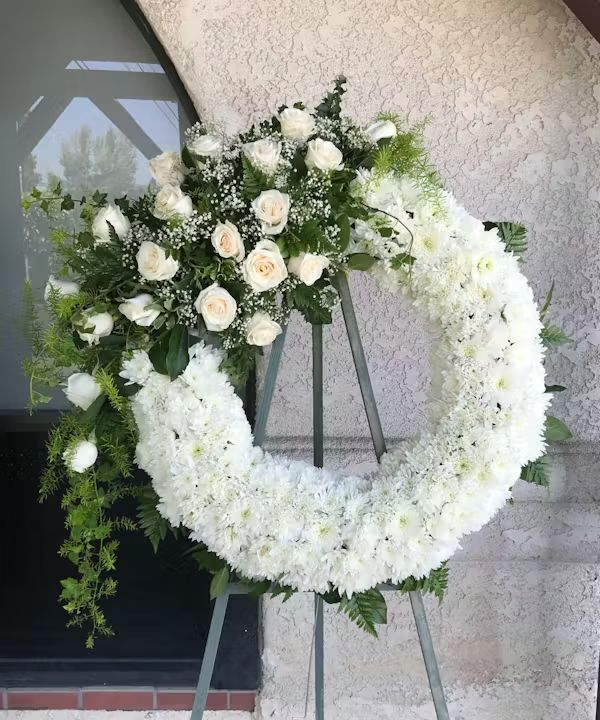
Type of Flowers To Bring For A Buddhist Funeral
1. White Flowers (Most Appropriate)
White is the primary mourning colour in many Buddhist cultures, especially among Chinese families in Singapore.
Common white funeral flowers include:
- White chrysanthemums – Most traditional Buddhist funeral flower
- White lilies – Symbol of peace and purity
- White orchids – Elegance, respect, and remembrance
- White roses – Reverence and solemn love
- White lotus – Spiritual purity and enlightenment
White flowers are always safe, appropriate, and deeply respectful.
2. Soft, Muted Pastel Colours (Sometimes Acceptable)
In some families (especially modern or mixed-faith families), soft pastel tones may be acceptable, such as:
- Light cream
- Pale lavender
- Soft peach
- Dusty pink (very muted)
However, these should only be used if:
- The family is known to be open-minded
- The arrangement is subtle
- There is no strict traditional requirement
When in doubt, always choose white.
What Flower Colours Should You NEVER Bring to a Buddhist Funeral?
Certain colours are strongly associated with celebration, weddings, prosperity, and festivals, making them taboo at Buddhist funerals.
❌ Colours to Strictly Avoid:
- Red – Symbol of joy, luck, weddings, and celebrations
- Bright pink – Romance and festivity
- Bright yellow / gold – Prosperity and festive occasions
- Orange – Celebration and energy
- Neon colours – Attention-seeking and inappropriate
- Multi-coloured mixed bouquets – Visually festive and distracting
Bringing bright, festive flowers can:
- Deeply offend the grieving family
- Show cultural insensitivity
- Be interpreted as disrespect to the deceased
Are Flower Wreaths Appropriate at a Buddhist Funeral?
✅ Yes, Condolence Wreaths Are Common and Appropriate
In Singapore and many Asian Buddhist communities, funeral flower wreaths are commonly sent as a formal expression of sympathy.
Typical wreath features:
- Circular or standing shape
- Dominated by white flowers
- Includes a condolence ribbon
- Displays the sender’s name
Wreaths are usually placed:
- At the entrance of the wake
- Near the altar
- Along the perimeter of the wake venue
How to Write a Proper Condolence Message on the Ribbon
Common respectful messages include:
- “Deepest Condolences”
- “With Heartfelt Sympathy”
- “In Loving Memory”
- “Our Sincere Condolences”
Avoid messages that imply:
- Celebration
- Achievement
- Success
- “Rest in happiness” styled phrases with festive undertones
The message should always be solemn, gentle, and respectful.
Should Immediate Family Bring Flowers?
Immediate family members usually:
- Do not bring personal flower bouquets for display
- Instead focus on:
- Prayers
- Chanting
- Offerings
- White mourning attire
- The altar flowers are usually arranged by:
- The funeral director
- The temple
- Or close relatives tasked with preparation
Family members show respect primarily through ritual participation, not floral display.
Is It Better to Bring Flowers or Condolence Money?
In many Buddhist funerals in Singapore, guests often choose between flowers and condolence money.
Condolence Money Is Often Preferred Because:
- It helps offset funeral expenses
- It is practical for the grieving family
- It follows local customs
However:
- Close friends, companies, religious groups, and organisations often send flower wreaths instead
- Personal visitors often give condolence money
- Some guests give both, but this is not required
Always follow:
- Local custom
- Relationship closeness
- The family’s known preferences (if available)
How to Present Flowers Properly at a Buddhist Funeral
If you bring a personal flower bouquet rather than a wreath:
Step-by-Step Etiquette:
- Arrive quietly and dress appropriately
- Proceed to the altar
- Bow lightly
- Place the flowers gently at the designated area
- Offer incense if invited
- Exit quietly to give space to the next visitor
Do NOT:
- Hand flowers directly to grieving family members unless requested
- Place flowers randomly without direction
- Rearrange existing altar arrangements
Should You Bring Artificial Flowers?
Artificial flowers are generally discouraged at Buddhist funerals because:
- They contradict the symbolism of impermanence
- They represent artificiality instead of natural life cycles
- They may be seen as lacking sincerity
Fresh, natural flowers are always preferred.
Flowers at the Cremation Ceremony
At the crematorium (such as Mandai in Singapore):
- Families may scatter small white flowers onto the coffin as a final gesture
- Guests usually do not bring large wreaths to the crematorium
- Any floral tribute here is:
- Minimal
- Quiet
- Under funeral director guidance
Always follow instructions from the funeral staff.
Flowers at the Columbarium or Ash Placement
After cremation, flowers may be offered at:
- The columbarium niche
- Temple memorial altars
- Ash placement ceremonies
Appropriate flowers remain:
- White chrysanthemums
- White lilies
- White orchids
- Lotus flowers
Again, avoid bright colours.
Cultural Differences Within Buddhist Funerals
While the core principles are similar, flower etiquette may vary slightly by tradition:
Chinese Mahayana Buddhist Funerals
- Strong preference for white flowers
- Chrysanthemums and lilies dominate
- Large standing wreaths common
Theravada Buddhist Funerals (Thai, Sri Lankan, Burmese)
- Flowers are offered simply
- Garlands may be seen
- Bright colours still avoided
Tibetan Buddhist Funerals
- Flowers may play a smaller role
- Emphasis is placed more on:
- Chanting
- Ritual prayers
- Butter lamps and offerings
When unsure, follow the most conservative standard: white flowers only.
Common Flower-Related Mistakes at Buddhist Funerals
Avoid these frequent errors:
- Bringing red roses
- Sending Valentine-style bouquets
- Adding balloons to wreaths
- Using glitter ribbons on condolence messages
- Choosing bright mixed tropical arrangements
- Writing celebratory messages
All of these undermine the solemn purpose of the funeral.
Are There Situations Where NO Flowers Should Be Brought?
Yes. You should avoid bringing flowers entirely when:
- The family clearly states “no flowers, donations preferred”
- The funeral is extremely minimal or eco-friendly
- Space at the venue is very limited
- The family belongs to a sect that discourages floral displays
When in doubt, always check with:
- The funeral service provider
- The family’s representative
- The official obituary notice
The Buddhist Perspective: Intention Matters More Than Objects
In Buddhism, the intention behind an offering matters more than the object itself.
A single stalk of white flower offered sincerely with compassion holds more spiritual value than:
- A massive wreath sent for show
- A lavish arrangement meant for reputation
- A display driven by comparison or vanity
Offerings should always arise from:
- Kindness
- Mindfulness
- Respect
- Non-attachment
What to Do If You Accidentally Bring the Wrong Flowers
If you make an honest mistake:
- Do not panic
- Quietly inform the funeral staff
- Ask if the flowers can be placed away from the main altar
- Apologise gently if needed
Most families will understand that:
- Not everyone is familiar with Buddhist customs
- Mistakes happen
- Sincerity still matters
Should You Bring Flowers If You Are Not Buddhist?
Yes. Non-Buddhists are absolutely allowed to bring flowers—as long as proper etiquette is followed.
You are not expected to:
- Understand the full spiritual symbolism
- Chant or perform rituals
Your respectful presence and correct flower choice are already meaningful.
Summary: Can You Bring Flowers to a Buddhist Funeral?
✅ Yes, you can bring flowers ✅ White flowers are the safest and most respectful ✅ Condolence wreaths are common and appropriate ✅ Simple bouquets are allowed ✅ Natural, fresh flowers are preferred
❌ Never bring red, bright, or festive flowers ❌ Avoid artificial flowers ❌ Avoid flashy arrangements ❌ Avoid celebratory messages
Final Thoughts: Flowers as a Silent Prayer
In a Buddhist funeral, flowers are more than offerings. They are silent prayers made visible—symbols of:
- Impermanence
- Compassion
- Respect
- Mindfulness
- Letting go
When chosen with care and offered with a sincere heart, a single white flower can express what words often cannot.
If you remember only one principle, let it be this:
When attending a Buddhist funeral, choose flowers that reflect peace, not celebration.
Frequently Asked Questions About Flowers for a Buddhist Funeral
Yes, you can bring flowers to a Buddhist funeral as a sign of respect and condolence. Flowers should be simple, natural and respectful in colour and arrangement. White flowers are the most appropriate and safest choice.
Appropriate flowers for a Buddhist funeral include white chrysanthemums, white lilies, white orchids, white roses and lotus flowers. These symbolise purity, peace, remembrance and impermanence.
You should avoid red, bright pink, orange, bright yellow, neon colours and multi-coloured bouquets. These colours symbolise celebration and joy and are considered inappropriate for a funeral setting.
Yes, condolence flower wreaths are commonly sent to Buddhist funerals in Singapore and many Asian cultures. They are usually made with white flowers and include a respectful condolence message on a ribbon.
In many Buddhist funerals, condolence money is more commonly given to help the family with funeral expenses. Flowers are often sent by companies, organisations or close friends as wreaths. Both are acceptable depending on your relationship with the deceased.
Artificial flowers are generally discouraged at Buddhist funerals because they do not reflect the Buddhist symbolism of impermanence and natural life cycles. Fresh flowers are always preferred.
You should place flowers gently at the designated area near the altar or coffin, bow lightly, and follow any guidance given by the funeral staff or family. Do not rearrange existing offerings or hand flowers directly to the family unless instructed.
At the cremation ceremony, families may scatter small white flowers onto the coffin as a final gesture of farewell. Guests usually do not bring large floral arrangements to the crematorium unless specifically directed.
Yes, flowers should not be brought if the family has specifically requested no flowers, prefers donations instead, the funeral is eco-friendly or minimal, or space at the venue is very limited.
Yes, non-Buddhists are welcome to bring flowers to a Buddhist funeral as an expression of respect and sympathy, as long as proper etiquette regarding flower type, colour and presentation is followed.
Leave a Reply