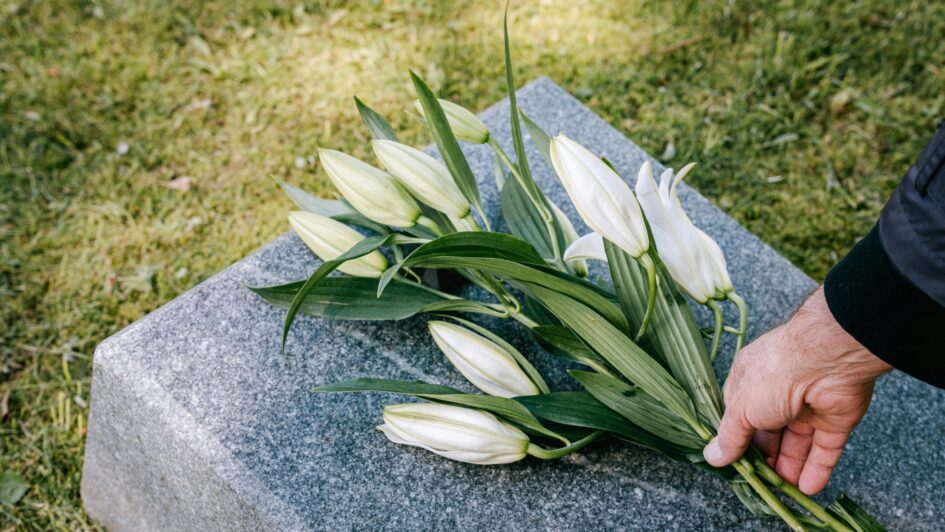
Saying goodbye to a loved one is one of life’s most profound challenges. In moments of unparalleled grief, families face difficult decisions about how to honour their departed while considering the lasting impact of their choices.
As communities worldwide grapple with environmental concerns and space limitations, the conversation around end-of-life arrangements is shifting. Traditional burial methods require significant land use and resources, while conventional cremation processes have other environmental considerations. This has led many to seek end-of-life alternative arrangements that align with their values of being sustainable.
In Singapore, where efficient land use is a nationwide concern, the growing need for sustainable memorial options reflects a broader global trend. Families are now asking: How can we create a meaningful farewell that honours both our loved ones and our commitment to the planet?
The answer lies in emerging eco-friendly cremation technologies and practices that are transforming how we approach end-of-life care. These innovative options offer families the opportunity to celebrate life while minimising environmental impact.
How will your final farewell impact the Earth? Let’s explore how eco-friendly cremation services are reshaping the approach to sustainable options for end-of-life arrangements. 
Shifting Mindset on Cremation and Burial
Mindsets on Cremation and Burial
Many still believe cremation services are inherently natural or green. In reality, traditional cremation releases roughly 400 kg of CO2 per body, with pollutants like mercury and dioxins from dental fillings and embalming chemicals. It also relies on energy-intensive cremators and non-biodegradable caskets, contributing to pollution and landfill pressure.
On the other hand, traditional Chinese burials involve embalming fluids and metal or hardwood coffins that do not decompose easily, further straining Singapore’s limited land. This “old idea” that the environment can sustain cremation and burial is increasingly inaccurate in a country where up to 90% of waste ends up in incinerators or landfills, including funeral-related waste.
The death rate for 2024 in Singapore was about 5.40 deaths per 1,000 residents, which is a 12.85% decline from 2023. The death rate is expected to increase by around 3.61% in 2025. The current death rate in Singapore directly influences the expansion and adaptation of sustainable end-of-life care options. With annual deaths projected to rise, sustainable, eco-friendly, and land-efficient after-death arrangements are becoming increasingly urgent.
New and Better Sustainable Alternatives
In 2025, eco-friendly cremation services are all about efficient cremators that reduce emissions and new methods like aquamation or water cremation, which cut energy use by about 90% compared to flame-based cremation.
Green burial practices, or natural burials, avoid toxic chemicals and use biodegradable caskets made from bamboo, rattan, or cardboard. Singapore is beginning to integrate these options amidst its land scarcity challenges.
In 2022, the inland ash scattering garden in Choa Chu Kang received over 1,900 applications for ash scattering. This trend rose to approximately 2,000 in 2023. This demonstrates increasing demand for low-land-use end-of-life arrangement options. A new inland ash scattering facility was already built and in operation on 15 August 2025, known as the Mandai crematorium complex, making eco-friendly cremation service options more accessible to Singaporeans.
Sustainable Options for End-of-Life Arrangements
As environmental concerns continue to shape societal values, more individuals are choosing to align their final arrangements with eco-conscious principles. Before you make the change, it’s important to know what your options are.
To opt for eco-friendly and more sustainable cremation services in Singapore, here are 4 alternative and sustainable funeral options for Singaporeans in 2025.
| Choose Providers Offering Green Cremation Options | Look for funeral service providers that offer eco-conscious cremation processes, such as using efficient, low-emission cremators or alternative methods to reduce the carbon footprint. |
| Select Biodegradable Urns | After cremation, choose biodegradable urns made of materials like paper, bamboo, or other natural substances that break down easily when buried or used for ash scattering. |
| Consider Ash Scattering in Natural Settings | Instead of traditional columbarium storage, you can opt for scattering ashes in eco-friendly designated locations such as the Garden of Peace or designated sea scattering zones near Pulau Semakau. These choices reduce land use and respect natural cycles. |
| Opt for Minimalist and Natural Memorial Ceremonies | Sustainable memorials emphasise simple, intimate ceremonies that avoid excessive use of decorations, printed materials, and elaborate setups. This lowers the environmental footprint. |
Making The Change
This change to greener options promotes responsible use of land and resources while honouring loved ones in line with eco-conscious values. If you’re considering making this shift for yourself or a loved one, here are some practical steps you can take to start the change.
1. Educate Yourself and Loved Ones
Learn about different eco-friendly funeral options such as green burial, biodegradable urns, sea scattering, and eco-friendly caskets. Understanding the environmental benefits and the practices involved helps make informed decisions.
2. Discuss Wishes Early
Initiate conversations with family members and close friends about your preferences for a sustainable funeral. Early discussions reduce confusion and ensure your wishes are respected during difficult times.
3. Plan Ahead and Make Arrangements
Contact funeral service providers in Singapore that offer sustainable options to explore packages, costs, and legal requirements. Pre-planning your funeral with Heartfelt Life Solutions can secure your preferred choice and alleviate the burden on your family.
4. Use Legal Tools Like Wills or Advance Directives
Document your funeral wishes clearly in your will or in an advance directive to guide your family and executors legally. This formalises your preference for alternative funeral methods and ensures they are followed.
5. Advocate and Normalise Sustainable Funerals
Share information about ecological funerals within your community and social networks. Supporting wider acceptance through education and positive dialogue encourages more people to consider alternatives.
Balancing Tradition and Innovation
The shift towards newer methods raises several concerns that need to be addressed for broader acceptance and adoption. Cost is often the primary concern. Other concerns around the cultural or religious challenges and the legal or logistical hurdles are also valid. Here’s a simplified breakdown:
| Cost and Accessibility | Sustainable options can be less accessible, with fewer providers and specialised sites, such as Heartfelt Life Solutions, but select funeral homes could help ease this transition. |
| Cultural and Religious Acceptance | Traditional cremation services are deeply rooted in cultures and religions, making the shift challenging. Some sustainable practices may require time and education for broader adoption. |
| Practical and Emotional Considerations | Some families may struggle with the emotional aspects of sustainable methods, such as the lack of a traditional coffin or gravesite. Educating families about the environmental benefits and the personal significance could also ease their concerns. |
Opt For Sustainability Today
While the potential advantages of sustainable end-of-life arrangements are clear, the adoption of these practices is not without its challenges. Singapore’s environmental constraints and demographic trends necessitate a shift toward sustainable end-of-life options.
Join Heartfelt Life Solutions’ community discussions on green funerals to become informed and prepared. Start the conversation with family today. Choosing sustainability in end-of-life arrangements is a powerful gift to future generations.
Leave a Reply