Funeral Parlours in Singapore: What to Expect During a Wake or Service
Many Singaporeans still believe funerals must follow rigid religious customs, unchanged through the generations. A beloved person has left behind their families, friends, and legacy, so how can the final farewell be anything other than sombre? Most people think a wake is a sorrowful, formulaic event based entirely on the deceased’s faith group, or that mixing traditions could be disrespectful.
Is this belief still the reality in Singapore today?
In Singapore’s society, saying goodbye is no longer just a tearful event held out of duty. In 2025, there’s a new perspective on farewell as an opportunity for closure, connection, and honouring a unique life. With multicultural values shaping our traditions, do you really know what to expect when a loved one’s wake or funeral is hosted at a modern funeral parlour? This article delves deeper into the issue.
The Reality of Singapore’s Modern Farewells
Singapore has changed. Today’s funeral parlours in Singapore cater to a patchwork of religious practices and personal wishes, reflecting shifts in societal beliefs. According to the 2020 census, Singapore’s population comprises 31.1% Buddhists, 20% with no religious affiliation, and 18.9% Christians.
This diversity means that wakes and services are now less about rigid ritual and more about personal meaning. It also means that funeral parlours have to cater to a wider range of clientele, and expand their understanding of how different religions have different cultural and religious rites suitable for the families left behind.
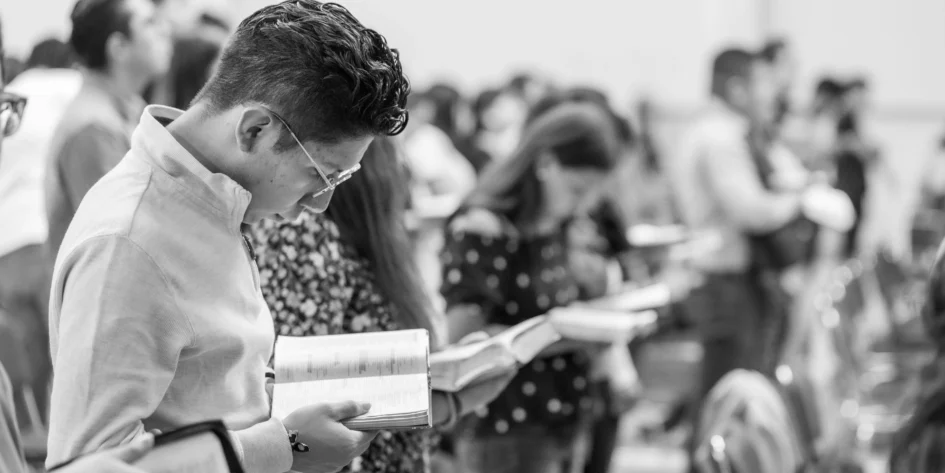
A notable example: A family celebrated their mother’s life with Buddhist prayers in the morning, reflecting her faith, while non-religious friends were also invited for a respectful, secular sharing session in the evening. Funeral directors tailored these celebrations of life, ensuring all felt included. This blend of tradition and personal touch would have been rare a generation ago.
Funeral staff now regularly advise on options for customisation, whether families want to incorporate chanting, hymns, moment-of-silence reflections, or even multimedia tributes. These customisation options are relieving as they give families the option for how best to say their goodbyes. As a result, families report feeling better supported and more at peace with the process.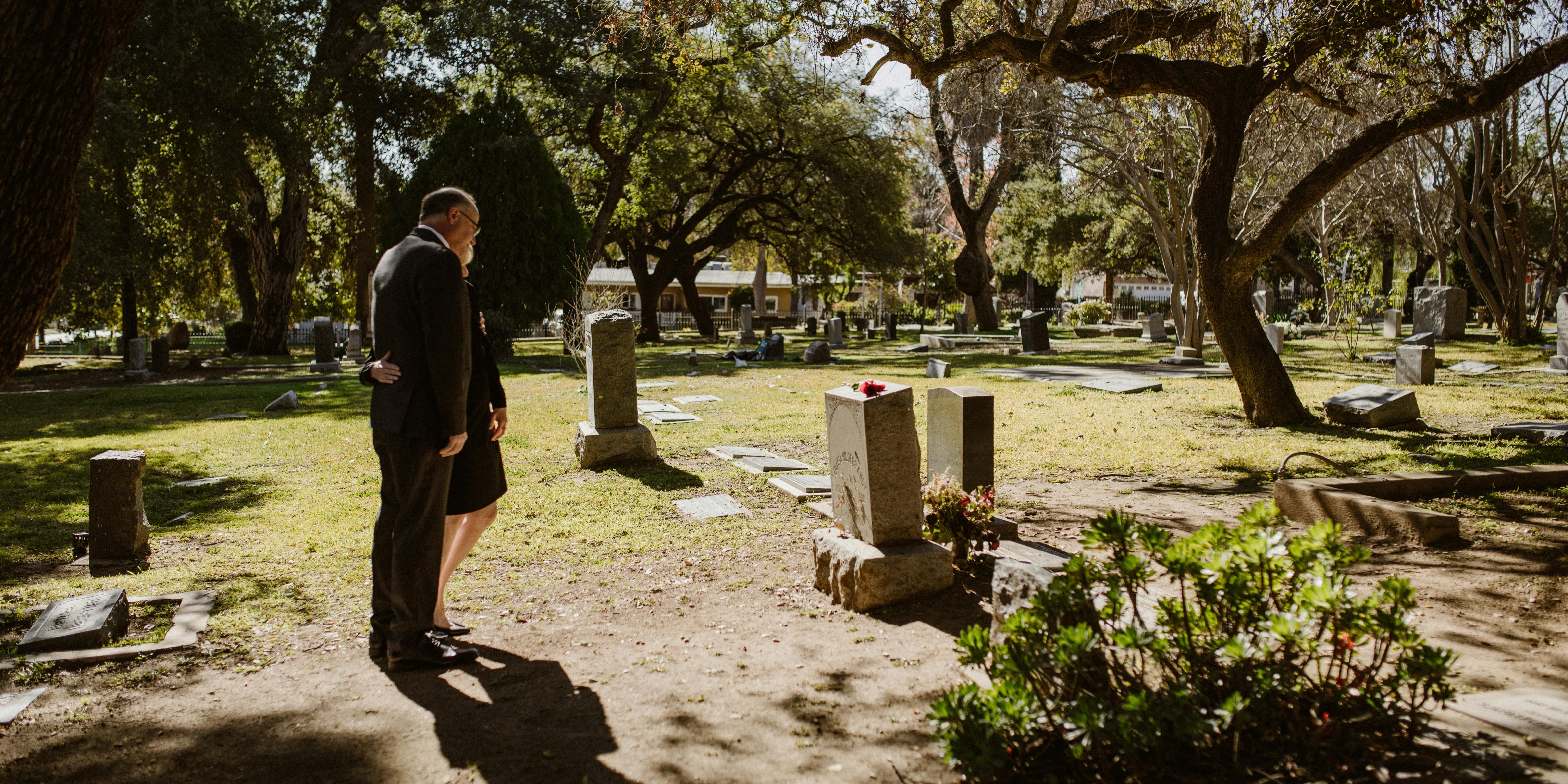
What To Expect During A Funeral Wake or Funeral Services?
Navigating the Process with Confidence
Being someone who’s attending a wake is different from being the one to organise it. Attending a wake typically requires you to offer support to the bereaved, pay your final respects in a dignified way, no matter the culture or religion of the deceased.
But what if you’re the one who needs support? What are the crucial details you would need to know when organising a wake? This all depends on the religions or cultural preferences of you or your loved ones. In general, to ensure a meaningful end-of-life experience, whether for yourself or your loved ones, these are the steps you need to take:
- Clarify religious and personal wishes early, be it your own or a loved one’s preferences.
- Consult with funeral directors, who are trained to accommodate Buddhist, Christian, and secular approaches.
- Consider pre-planning. 36% of 2,187 Singaporeans in a 2025 search have begun pre-arranging their own funerals, which reduces stress for grieving families.
- Openly discuss expectations within your family, as it can prevent misunderstandings and allow for a service that reflects the deceased’s values and needs.
Accordingly, these are what to be expected culturally and religiously, if the responsibility to organise a wake falls on you:
| Belief | Population | Typical Wake / Funeral Details |
| Buddhism | ~31% | Chanting of sutras by monks, offerings, and prayers. Wake with monks chanting for merit. Cremation is common. |
| No Religion / Atheist | ~20% | No formal religious rites, wakes may be simple gatherings or private farewells. Some may still observe cultural rituals without a religious context. Cremation or burial is common based on family preference. |
| Christianity | ~19% | Services usually involve hymns, prayers, and Bible readings led by clergy. Wake involves prayers and condolences shared. Burial or cremation is common based on family wishes. |
| Islam | ~16% | Ritual washing of the body at a mosque or hospital, prayer led by a male family member. Quick burial after death, wakes are brief at home or mosques and focused on prayers and remembrance. |
| Taoism | ~9% | Chanting by Taoist priests, burning joss paper, rites to guide the soul, and several days of wakes with rituals. Burial or cremation. |
| Hinduism | ~5% | Cremation with chanting of mantras, priest-led rituals, family and community participation. Ashes may be scattered in water bodies. |
*Population data taken from Singapore’s Census of Population 2020
Common Concerns at the Singaporean Wake
- Is it disrespectful to combine traditions?
There’s a unique Singaporean practice of holding wakes or funeral ceremonies at the void decks of HDB flats, the communal ground floor spaces in public housing estates. This practice transcends ethnic, religious, and traditional boundaries and reflects the “kampung spirit”, a village-like communal bonding where the deceased can be celebrated in their home neighbourhood. It is proof that combining traditions is not disrespectful and can be the final farewell the deceased needs.
- Is pre-planning morbid?
There is growing demand for non-religious or “freethinker” funerals in Singapore, reflecting the rise of the non-religious demographic. These funerals avoid religious rites, instead focusing on cultural elements or personal tributes without religious framing. Pre-planning can help families keep track of the arranged rites and personal tributes of the deceased without religious framing.
Pre-planning also works well for families with mixed faith backgrounds who prefer neutral, inclusive ceremonies to avoid conflicts. The morbidity of pre-planning can be avoided by reframing the process as an act of responsible preparation and thoughtful care rather than a morbid focus on death.
- Can non-religious services be accepted by the community?
With 1 in 5 Singaporeans reporting no religious affiliation, non-religious (humanist or secular) services have become widely accepted and are increasingly common in local parlours. Funeral homes in Singapore cater to non-religious personalisation, helping families tailor the event to specific ethnic, religious, and secular needs, including a customised farewell to honour the deceased’s life and beliefs.
Embracing Change With Respect
Singapore’s funeral landscape has evolved with its people, combining multicultural respect with options for personal expression. Every farewell can be dignified, healing, and memorable for all involved by staying informed on what to expect during wakes and making proactive choices, such as pre-planning a funeral.
Have an honest talk with your loved ones about funeral preferences. Visit a reputable funeral parlour, ask about options, and empower yourself with knowledge. Thoughtful planning ensures your final goodbye truly reflects a life well-lived. Want to start today? Contact Heartfelt Life Solutions for more details.
Frequently Asked Questions About Funeral Parlours In Singapore
A funeral parlour (also known as a funeral home, funeral chapel, or mortuary) is a place where the deceased are prepared for burial or cremation, and where family and friends gather to pay their last respects. It is typically a facility designed to provide a peaceful and respectful environment for mourning, conducting services, and holding viewings or wakes. The term “parlour” historically referred to a room for private conversations or gatherings, and in the context of funerals, it signifies a space where people can express their grief and offer condolences.
In a funeral parlour, staff care for and prepare the deceased—often cleaning, dressing, and, if chosen or required, embalming the body—while also arranging viewings, coordinating burial or cremation, providing support to the family, and handling logistics such as paperwork, transportation, and planning the funeral service.
A body can typically stay in a funeral parlour for several days to a week, depending on the family’s preferences and the arrangements for the funeral service. This time frame allows for embalming, preparation, and any viewings or ceremonies before burial or cremation.
A morgue is a facility, usually in a hospital or medical examiner’s office, where deceased bodies are stored and examined. On the other hand, a funeral parlour (funeral home) is a business that prepares bodies for burial or cremation and hosts funeral services for families.
Funeral parlours clean and dress the body, may perform embalming to preserve it temporarily, do restorative work to create a natural appearance for viewing, place the body in a casket, and handle transportation and necessary paperwork, depending on the family’s wishes and local requirements.
Leave a Reply