What Happens During a Buddhist Wake in Singapore?
A Buddhist wake in Singapore is not merely a gathering to mourn the deceased. It is a deeply spiritual, symbolic, and structured period where family members, relatives, and friends come together to pay their respects, offer prayers, and assist the departed in transitioning peacefully toward rebirth. For many families, the wake is the most emotionally intense and meaningful stage of the entire Buddhist funeral process.
Yet for those encountering a Buddhist wake for the first time, the rituals, chanting, altar setup, etiquette, and customs can feel unfamiliar and overwhelming. Questions such as “What exactly happens during the wake?”, “How long does it last?”, “What should we do as a family?”, and “What are guests expected to do?” are extremely common in Singapore.
This comprehensive guide explains step by step what happens during a Buddhist wake in Singapore, covering everything from the first night of the wake to daily prayers, altar arrangements, guest etiquette, chanting ceremonies, and preparations for the final send-off.
The Purpose of a Buddhist Wake in Singapore
Before exploring the actual sequence of events, it is important to understand the spiritual meaning of a Buddhist wake.
In Buddhism, death is not an ending — it is a transition within the cycle of samsara, the continuous process of birth, suffering, death, and rebirth. The Buddhist wake serves several important purposes:
- To guide the consciousness of the deceased peacefully
- To transfer merit through prayers and chanting
- To help the living accept impermanence
- To show gratitude, respect, and filial piety
- To calm emotional attachment and suffering
Unlike wakes that focus solely on grief, Buddhist wakes focus strongly on mental peace, prayer, compassion, and spiritual transition for both the deceased and the family.
Where Buddhist Wakes Are Held in Singapore
In Singapore, Buddhist wakes are commonly held in the following locations:
- HDB void decks (most common)
- Private landed properties
- Funeral parlours
- Temple halls
The choice of location usually depends on:
- Family preference
- Budget
- Town council approvals
- Space availability
- Convenience for elderly relatives
Void deck wakes require permits from the town council, which the funeral director usually arranges.
What Happens on the First Day of a Buddhist Wake
The first day of the Buddhist wake sets the spiritual tone for the entire funeral.
1. Arrival of the Deceased and Coffin Placement
Once the body has been prepared and placed into the coffin:
- The coffin is transported to the wake venue
- It is positioned facing outward toward the entrance
- The lid may initially remain open for viewing
- Family members prepare to receive guests
At this point, the wake officially begins.
2. Setting Up the Buddhist Altar
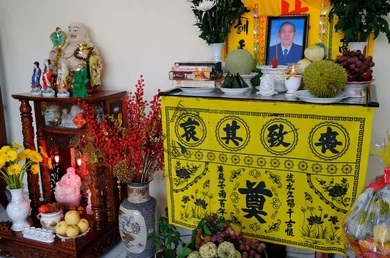
The funeral altar is the spiritual center of the wake. A traditional Buddhist altar in Singapore usually includes:
- A framed photograph of the deceased
- An image or statue of the Buddha
- Incense burner and joss sticks
- Candles representing wisdom and light
- Fresh flowers signifying purity and impermanence
- Fruits as offerings
- Water cups for purification
This altar remains active throughout the entire wake period and is the focal point for prayers.
3. The First Chanting Ceremony
The first chanting session usually occurs on the first night of the wake and is one of the most important rites.
Buddhist monks or prayer leaders chant sutras such as:
- Amitabha Sutra
- Heart Sutra
- Rebirth Mantras
These prayers help to:
- Ease emotional attachment
- Transfer merit to the deceased
- Calm the mind of both the departed and the living
- Guide the soul gently toward rebirth
This first chanting session is often the most emotionally powerful moment for families.
What Happens Daily During a Buddhist Wake
A Buddhist wake in Singapore usually lasts 1 to 3 days, though some extend to 5 days. Each day follows a rhythm of prayer, visitation, remembrance, and quiet observation.
1. Daily Chanting Sessions
Chanting sessions occur:
- Once daily for simplified wakes
- Two to three times daily for full traditional wakes
- In the morning, evening, or late at night
Each chanting session lasts between 30 to 90 minutes.
Families may sponsor additional chanting sessions to accumulate merit for the deceased.
2. Offering Incense and Paying Respects
Throughout the day, guests arrive to pay their respects.
A typical paying respects procedure includes:
- Bowing before the altar
- Lighting one or three joss sticks
- Silent prayer
- Placing incense into the holder
- Bowing again
Family members remain beside the coffin to receive condolences.
3. Receiving Condolences
Guests typically offer:
- Condolence money in white envelopes
- Flower wreaths
- Soft-spoken words of sympathy
The funeral assistant helps record donations discreetly.
Bright celebratory gifts are avoided.
4. Vigil Keeping by Immediate Family
Immediate family members often:
- Take turns staying overnight
- Sit close to the coffin
- Maintain incense offerings through the night
- Keep candles lit
This vigil represents continued companionship for the deceased until the final farewell.
Buddhist Wake Etiquette for Family Members
Family members follow specific traditions during the wake period.
Clothing
- White is traditionally worn
- Black, grey, and dark blue are also acceptable
- Bright colours such as red, pink, and orange are avoided
White symbolises mourning and separation.
Behaviour and Conduct
Families are encouraged to:
- Remain calm and composed
- Avoid excessive crying near the coffin
- Minimise loud talking, laughter, or phone usage
- Refrain from arguments or heated conversations
Buddhism teaches that strong emotional attachment can cause confusion for the deceased’s consciousness.
Why Crying Is Discouraged During the Wake
Many Singapore Buddhists believe that:
- The consciousness may remain near the body for several hours or days after death
- Loud crying, panic, and emotional suffering may disturb the soul
- Strong attachment may create difficulty in letting go
This does not mean emotions are forbidden — only that families are encouraged to cultivate calm, compassion, and acceptance.
What Guests Should Do at a Buddhist Wake
Guests play an important role in showing compassion and community support.
What to Wear
- White
- Black
- Grey
- Dark blue
Avoid festive attire, short shorts, or revealing clothing.
What to Do Upon Arrival
- Bow gently before the altar
- Offer incense if invited
- Speak softly to family members
- Avoid asking intrusive questions
- Do not take photos unless allowed
Silence and respect are the highest forms of condolence.
Vegetarian Practices During a Buddhist Wake
Vegetarian food is strongly encouraged at Buddhist wakes in Singapore.
This aligns with:
- The Buddhist precept of non-violence
- Compassion for all sentient beings
- Purity of offerings
Meat and alcohol are usually prohibited from the altar.
Family members may also observe vegetarian diets during the entire wake.
What Happens at Night During a Buddhist Wake
Nighttime at the wake is often quiet, reflective, and deeply solemn.
Typical nighttime activities include:
- Late-night chanting sessions
- Incense offerings
- Silent prayers by family members
- Volunteers assisting elderly relatives
- Soft Buddhist music in some traditions
For many families, the quiet hours bring emotional release and personal reflection.
The Final Day of the Buddhist Wake
The last day of the wake is the most emotionally intense and spiritually significant.
1. Final Chanting Ceremony
This is the most important prayer session of the entire funeral.
The final chanting:
- Marks the last spiritual guidance before cremation
- Transfers the final merit to the deceased
- Prepares the soul for rebirth
- Allows family members to emotionally release their attachment
Many families describe this moment as deeply healing and transformative.
2. The Last Viewing
In some traditions:
- The coffin is briefly opened for the final viewing
- Family members bow and silently speak their last farewell
- Loved ones may gently touch the forehead
This is the final physical goodbye.
3. Sending-Off Ritual
The sending-off ceremony signals the end of the wake.
- The monks perform closing prayers
- The coffin is sealed
- Family members bow in farewell
- The hearse arrives for cremation transport
This is often the most emotional moment for the family.
From Wake to Cremation: What Happens Next
After the wake concludes:
- The coffin is loaded into the hearse
- Family members follow in procession or convoy
- Cremation typically takes place at Mandai Crematorium
The wake officially ends when the deceased leaves the venue.
Differences in Wake Practices by Buddhist Tradition
Singapore Buddhists follow several traditions, each with minor differences in wake customs.
Mahayana Buddhist Wakes
- Strong emphasis on Amitabha Buddha
- Chanting focused on Pure Land rebirth
- Elegant altar setup
- Daily chanting sessions are common
Theravada Buddhist Wakes
- Simpler altar setup
- Pali scriptures used for chanting
- Focus on impermanence and mindfulness
- Shorter wake periods are common
Taoist-Influenced Buddhist Wakes
- Additional symbolic offerings
- Paper items in limited quantities
- Fusion of Buddhist and Taoist rites
Funeral directors usually tailor rites based on family preferences.
How Much Does a Buddhist Wake Cost in Singapore?
The cost of holding a Buddhist wake in Singapore depends on:
- Duration of wake
- Number of chanting sessions
- Venue type
- Coffin type
- Level of altar setup
Estimated costs:
- Simple Buddhist wake: SGD 4,000 – SGD 7,000
- Full traditional Buddhist wake: SGD 8,000 – SGD 15,000+
Transparent funeral packages help families make informed decisions.
What Should Not Be Done During a Buddhist Wake
The following actions are considered disrespectful or spiritually inappropriate:
- Playing loud music
- Wearing festive red clothing
- Smoking near the altar
- Placing alcohol or meat on the altar
- Public emotional outbursts near the coffin
- Taking selfies or group photos
Maintaining a solemn environment supports the peaceful transition of the soul.
Environmental and Eco-Friendly Buddhist Wakes
Eco-conscious Buddhist wakes are becoming more popular in Singapore.
These may include:
- Minimal joss paper burning
- Biodegradable coffins
- LED candle alternatives
- Shorter wake periods
- Digital guest registration
This reflects modern Buddhist values of sustainability and mindfulness.
Emotional Support and Family Healing During the Wake
A Buddhist wake is not only about rituals. It also provides a structured space for:
- Emotional healing
- Public grieving
- Family bonding
- Community support
- Reflection on life’s impermanence
Many grieving families find unexpected peace through the structured rhythm of chanting and prayer.
Summary: What Happens During a Buddhist Wake in Singapore
In full sequence, a standard Buddhist wake in Singapore involves:
- Arrival of the body and coffin setup
- Altar installation
- First chanting ceremony
- Daily visitation and incense offerings
- Multiple chanting sessions
- Overnight vigil
- Final chanting and last viewing
- Sending-off ceremony
- Transfer to cremation
Each phase supports both the spiritual needs of the deceased and the emotional healing of the family.
Final Thoughts: Why the Buddhist Wake Matters
The Buddhist wake in Singapore is far more than a social gathering around loss. It is a sacred period of spiritual guidance, emotional release, and compassionate support that helps both the living and the deceased transition peacefully through one of life’s most profound moments.
By understanding what happens during a Buddhist wake, families can participate with greater clarity, confidence, and inner calm — transforming grief into mindful remembrance and loss into gratitude.
Frequently Asked Questions About Buddhist Wake in Singapore
During a Buddhist wake in Singapore, the body is placed in a coffin at the wake venue, a Buddhist altar is set up, monks conduct daily chanting sessions, guests offer incense and condolences, and family members keep vigil until the final day when the sending-off ceremony takes place before cremation.
Most Buddhist wakes in Singapore last between 1 to 3 days, with some extending up to 5 days depending on religious beliefs, venue availability, and budget.
Chanting during a Buddhist wake helps transfer merit to the deceased, calm the consciousness, reduce suffering, and guide the soul peacefully toward rebirth.
Guests should wear modest clothing in white, black, grey, or dark blue, while avoiding bright, festive colours such as red, pink, or orange.
Guests commonly bring condolence money in a white envelope, white or yellow flower wreaths, and may offer incense, while avoiding festive gifts or brightly coloured items.
Many Buddhists believe the soul may remain near the body after death, and excessive crying may disturb the deceased’s peaceful transition toward rebirth.
Vegetarian food is strongly encouraged as Buddhism promotes compassion and non-violence, and meat or alcohol offerings are usually avoided at the altar.
Yes, many Buddhist wakes are held at HDB void decks with the necessary town council permits, though wakes may also be hosted at funeral parlours, homes, or temple halls.
Monks conduct the last chanting ceremony, families perform the final viewing, and the sending-off ritual takes place before the coffin is transported for cremation.
A Buddhist wake typically costs between SGD 4,000 and SGD 7,000 for basic arrangements, and SGD 8,000 to SGD 15,000 or more for full traditional setups, depending on duration and services.
Families should avoid loud arguments, festive clothing, placing alcohol or meat on the altar, excessive crying near the coffin, and unnecessary photography.
Yes, eco-friendly options include biodegradable coffins, reduced joss paper burning, LED candles, shorter wake durations, and digital guest registration.
Leave a Reply